
LOGAN — Population growth in the United States slowed sharply over the past year, largely because of a steep decline in international immigration, while Utah, Idaho and other Intermountain West states continued to post population gains, according to new estimates released by the U.S. Census Bureau.
The Census Bureau said the nation’s population grew by about 1.8 million people, or 0.5%, between July 1, 2024, and July 1, 2025 — roughly half the growth rate recorded the previous year. Demographers pointed to a dramatic drop in net international migration as the primary reason for the slowdown.
Net international migration fell from roughly 2.7 million the year before to about 1.3 million during the most recent period, accounting for the majority of the decline in overall population growth. Births and deaths remained relatively stable, leaving migration as the dominant factor shaping the national trend.
Despite the national slowdown, Utah and Idaho remained among the faster-growing states. Utah continued to add residents primarily through natural increase — births exceeding deaths — while Idaho again saw gains from both domestic migration and natural growth, though at a slower pace than during the height of pandemic-era relocation. South Carolina was the fastest-growing state at 1.5% and Idaho was close behind at 1.4%. Utah’s growth rate was 1.0% ranking 5th in percentage growth from 2026-2025.
Across the country, growth slowed in every region, but patterns varied. The South and West continued to account for most population gains, while several states recorded population losses. California again saw a decline in population, extending a multiyear trend driven by domestic out-migration that has reshaped growth in the nation’s most populous state.
The Northeast continued to experience net population losses overall, while the Midwest, as a region, posted modest growth — though that growth slowed compared with previous years. Census officials noted that fewer states saw population increases exceeding 1% than in the prior year, reflecting a broad cooling in growth rates nationwide.
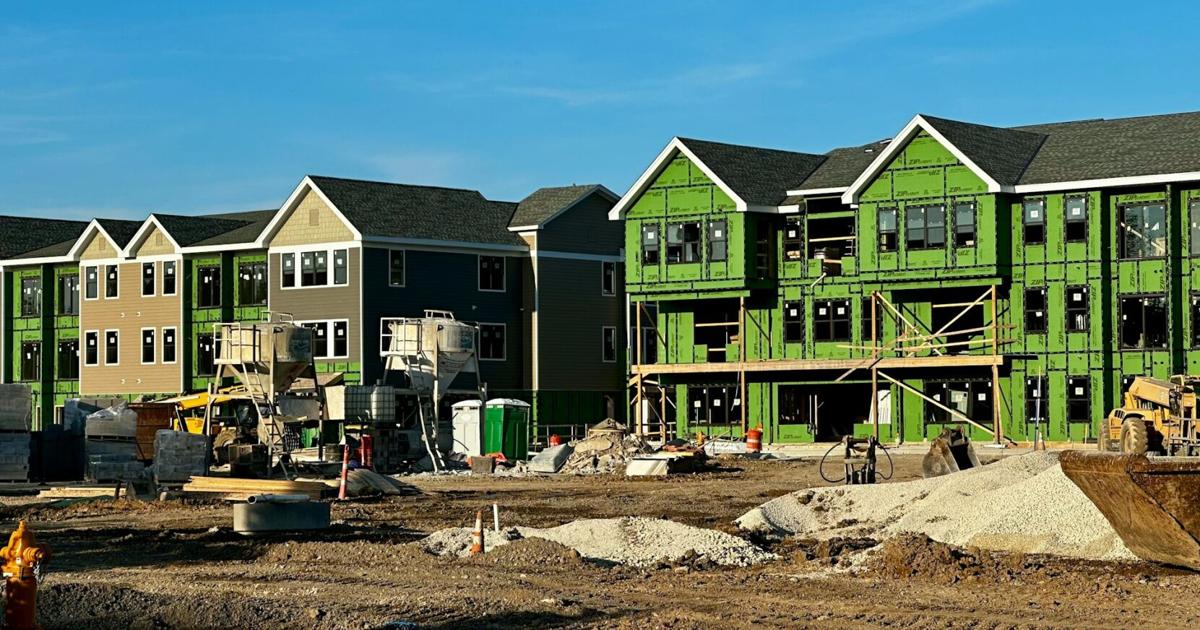
For Utah and Idaho, continued population growth brings both economic opportunity and mounting challenges. In Northern Utah and along the Wasatch Front, rapid growth has intensified concerns over housing affordability, transportation capacity and long-term water supply — issues that local leaders say will require sustained planning as growth persists.
For Utah officials, continued population growth has sharpened concerns about housing affordability, particularly for first-time buyers. Spencer Cox has made increasing housing supply — with an emphasis on starter homes — a central priority of his administration, calling on cities to allow smaller, more affordable housing types and to streamline zoning and permitting.
Cox has argued that expanding the availability of entry-level housing is essential to keeping Utah affordable for young families and workers as the state continues to grow faster than the national average. The push has particular relevance in fast-growing areas of Northern Utah, where rising home prices and limited inventory have increasingly priced first-time buyers out of the market.
The Census Bureau’s Vintage 2025 population estimates provide the latest snapshot of demographic change ahead of the 2030 census, offering policymakers and communities an updated picture of how migration, aging and birth trends are reshaping the nation.