
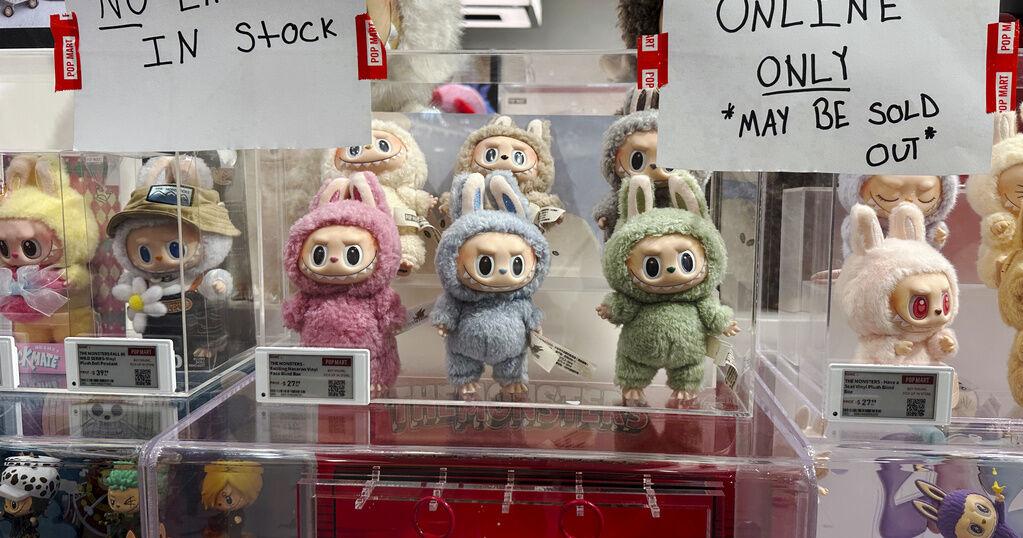
LOGAN – In 2025, one of the internet’s most unexpected cultural icons was Labubu, a small, sharp-toothed elf with a playful but slightly eerie look. The character was named Digital Lore of the Year by Utah State University’s Digital Folklore Project, an honor given annually to online phenomena that meaningfully shape everyday culture.
The project asks folklorists and students to identify memes and viral moments that persist over time, evolve through creative participation, and reflect broader cultural values. Previous winners include Barbie and OceanGate memes in 2023 and Chicago’s famous “Rat Hole” sidewalk imprint in 2024. Like those examples, Labubu is more than a trend—it is a window into how people use humor, storytelling, and shared rituals online.
Labubu began as a character in “The Monsters,” a picture-book series by Hong Kong illustrator Kasing Lung, inspired by Nordic and European folklore. In 2019, Lung partnered with Chinese retailer Pop Mart to turn Labubu into blind-box collectibles. The surprise packaging, limited releases, and “ugly-cute” design quickly made the dolls popular across Asia, before spreading worldwide.
By 2024 and 2025, Labubu had become both a status symbol and a meme. Celebrities attached the dolls to luxury handbags, rare figures sold for high prices at auction, and counterfeit “Lafufu” versions flooded markets, making the trend accessible to more fans. Online, TikTok videos, parody songs, and jokes multiplied, showing how the toy inspired endless variation.
Afsane Rezaei, assistant professor of Folklore Studies at USU, said one of the clearest patterns seen in 2025 is how little separation there is between folklore online and offline.