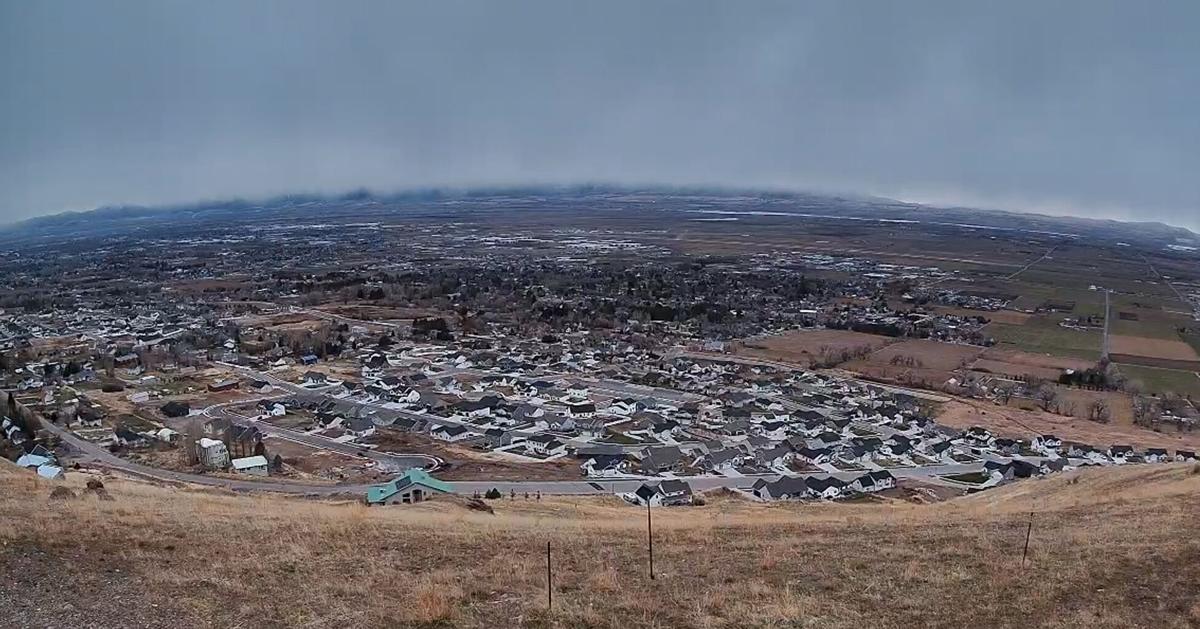
SALT LAKE CITY — A record-breaking warm and dry autumn has left Utah with below-normal snowpack levels, prompting state water officials to urge conservation as drought conditions expand across nearly the entire state.
According to a report released Thursday by the Utah Division of Water Resources, 93% of the state is currently experiencing some form of drought. This marks a significant escalation from the same period last year, when only 19% of the state was in drought.
The current deficit follows a period of meteorological extremes. After record precipitation in October, Salt Lake City recorded its warmest November on record. The trend has continued into December; the monthly average temperature of 42.2 degrees Fahrenheit is currently 8.6 degrees above normal.
“Utah’s water supply has been driven by extremes and has only experienced four ‘normal’ snow years in the past 30 years,” said Candice Hasenyager, director of the Utah Division of Water Resources. “The one thing we can control is how we use our water and what impactful decisions we make to be good water stewards.”
The northern half of the state is currently seeing the poorest snow conditions, while early storms provided a modest boost to southern Utah basins. Despite the slow start, officials noted that two or three significant storm cycles could still bring the state back to normal levels before the snowpack typically peaks in early April.
There is one silver lining in the current data: soil moisture levels remain above normal. Saturated soil is critical because dry ground acts as a sponge, absorbing snowmelt before it can reach the state’s reservoirs. Current conditions mean the spring runoff should be more efficient once the melting begins.
Because approximately 95% of Utah’s water supply is derived from the mountain snowpack, reservoir storage is essential for maintaining supply through dry summer months. To prepare for the potential shortfall, the Department of Natural Resources is promoting conservation initiatives, including the Agricultural Water Optimization Program and the “Slow the Flow” campaign for residential users.
Officials are encouraging residents to visit conservation websites for indoor water-saving tips as the state braces for a winter that has, so far, failed to deliver.