LOGAN — The latest School Report Card from the Utah State Board of Education offers a broad snapshot of how high schools across Cache Valley and Northern Utah are performing compared to one another and against statewide standards.
Taken together, the reports suggest that most high schools in Cache, Box Elder and Rich counties are meeting or closely tracking Utah’s academic expectations, with differences driven less by instructional quality and more by student demographics, school size and local context.
The School Report Card, released for the 2024–25 school year, allows families to examine indicators such as academic achievement and student growth. State Superintendent of Public Instruction Molly Hart said the data is designed to support transparency and improvement across Utah’s public education system.
“The School Report Card reflects our commitment to continuous improvement and informed decision-making,” Hart said. “It provides families, educators, and communities with meaningful data they can use to understand progress and support student success, and it helps parents make informed choices about their child’s education.”
Cache Valley schools align with state expectations
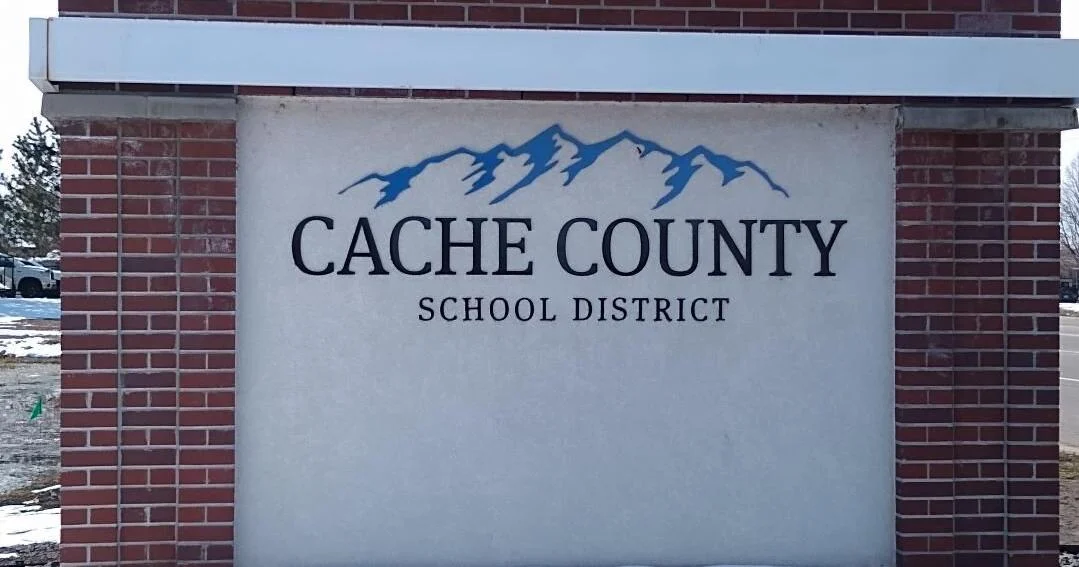
In Cache County School District, performance reports for Green Canyon, Mountain Crest, Ridgeline and Sky View high schools show schools largely aligned with state averages. Collectively, the schools display a balance between achievement and growth — a pattern consistent with Utah’s accountability framework, which places significant emphasis on student progress over time.
While individual schools vary, those differences tend to mirror enrollment size, socioeconomic factors and student mobility rather than sharp disparities in outcomes. Viewed as a group, Cache County’s high schools appear stable and consistent with statewide norms.
Logan High reflects growth-focused trends
In Logan City School District, Logan High School’s report highlights a common pattern seen in more diverse student populations: achievement indicators that may trail suburban or rural peers, paired with growth measures that remain comparable to state expectations.
Education officials note that this combination often signals students are making progress academically, even if they begin at different starting points. Growth metrics, in particular, play a key role in how the state evaluates schools serving broader ranges of learners.
Box Elder schools mirror statewide averages
High schools in Box Elder School District, including Bear River and Box Elder high schools, also show performance closely aligned with Utah averages. The reports point to steady achievement and growth, with no major deviations from statewide trends.
As in Cache County, year-to-year variation exists, but overall results suggest schools are meeting state standards and maintaining consistent performance.
Small-school challenges in Rich County
In Rich County, Rich High School’s report reflects the realities of a very small, rural school. With fewer students, performance indicators can fluctuate more from year to year, making long-term trends more meaningful than a single annual snapshot.
State education officials caution that small enrollment magnifies the impact of individual cohorts, a factor accounted for in Utah’s accountability system.
Charter model shows a different profile
The report card for InTech Collegiate Academy, a charter high school serving students across Cache Valley, stands apart from traditional district schools. InTech’s early-college and STEM-focused model emphasizes academic rigor and postsecondary readiness, making direct comparisons with comprehensive high schools less straightforward. InTech is one of only two secondary schools in the state to have exemplary grades for every year of school grading.
Reading the report card in context
While the School Report Card provides a standardized way to compare schools, it does not capture every dimension of school quality. Career and technical education, fine arts, athletics, school climate and post-graduation pathways are only partially reflected in the data.
Still, when viewed collectively, the reports suggest Northern Utah high schools are largely stable, meeting expectations and aligned with statewide performance standards, with differences shaped more by community context than by systemic underperformance.
Parents and community members can review statewide, district and individual school reports at reportcard.schools.utah.gov, along with additional education data through USBE’s Data Gateway.