

LOGAN — A new national ranking shows Logan, Utah among the top small cities in the country for starting a business — and highlights just how dominant Utah and Idaho communities are in the rankings overall.
According to a 2026 study from WalletHub, Logan ranks 30th nationwide among small cities with populations under 100,000.
The study compared more than 1,300 cities across metrics including business growth, access to financing, labor costs and office affordability.
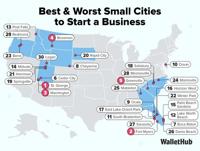
For Logan, the ranking reflects a mix of strengths and challenges. The city scored relatively well in small-business growth and financing access but ranked lower in areas such as industry variety and office-space affordability.
Beyond Logan’s placement, the report underscores a broader regional trend: Utah and Idaho are heavily represented among the nation’s best small cities for startups.
- 18 Utah cities ranked in the top 100
- 8 Idaho cities ranked in the top 100
- 26 total communities across the two states made the list
That means more than one-quarter of the top 100 cities nationwide are located in Utah and Idaho.
Southern Utah was particularly well represented, including St. George (No. 1 overall), along with Washington (No. 3) and Cedar City (No. 6) in the top 10. Idaho also performed strongly, led by Post Falls (No. 13) and Rexburg (No. 34).
“The benefits of starting a business in a small city include lower overhead costs, stronger relationships with customers and the potential to become a big fish in a little pond,” says WalletHub analyst Chip Lupo. “But there are drawbacks, too. Entrepreneurs who want to build a large professional network aren’t likely to make as many connections in a town with fewer residents. Other restrictions might include limited industry options, a less diverse customer base, and difficulty attracting and keeping top talent.”
For Northern Utah communities like Logan, the ranking reflects continued economic momentum tied to population growth, education resources and a strong small-business environment — even as challenges like workforce specialization and industry diversity remain.