
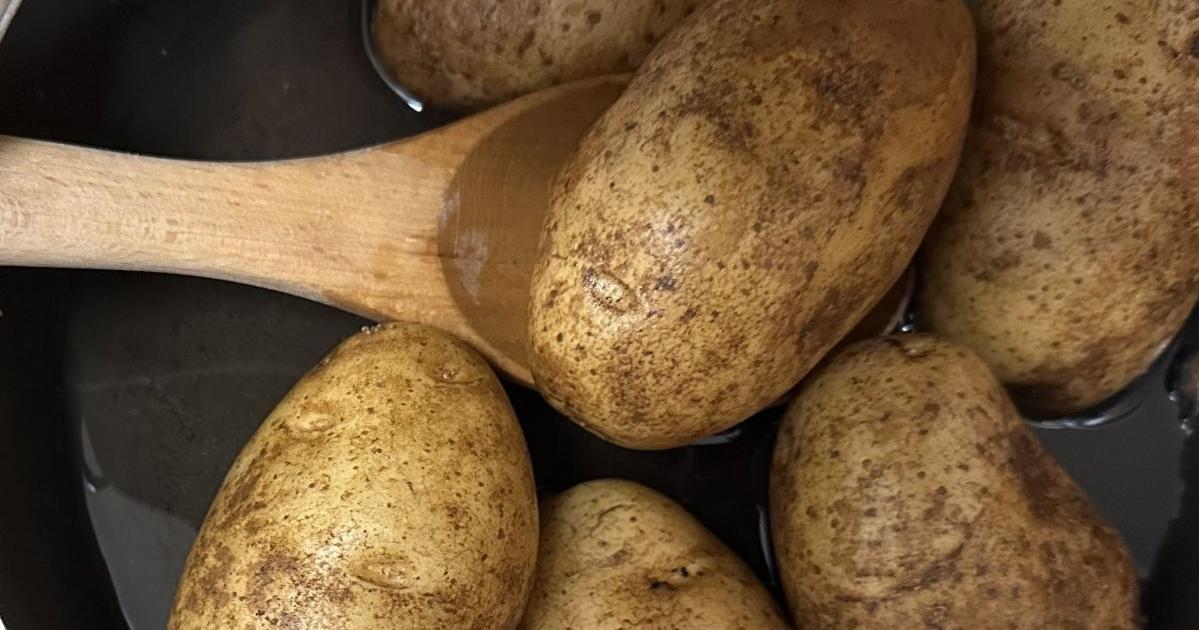
LOGAN – With Halloween just days away, thoughts of ghosts, ghouls, witches and other spooky subjects may be on the minds of Cache Valley residents. But one unlikely food has its own history of suspicion, superstition and accusations of witchcraft: the common potato.
Today, potatoes are a staple in kitchens around the world, appearing in everything from french fries and mashed potatoes to soups and casseroles. Centuries ago, however, Europeans viewed the humble tuber with fear and distrust, with some believing it was connected to demons and witchcraft.
The potato originated in South America, where Indigenous peoples in the Andes Mountains cultivated and ate the crop for thousands of years. The ancient Inca civilization relied on potatoes as a major food source and regarded them as a gift from their gods.
The region was home to thousands of potato varieties, many adapted to different elevations and growing conditions. Potatoes provided an important source of nutrition for communities living in the mountainous terrain.
When Spanish explorers brought potatoes to Europe in the second half of the 16th century, the reception was far less enthusiastic.
European botanists recognized potatoes as members of the nightshade family, which includes several poisonous plants. That association helped fuel concerns about whether the tubers were safe to eat.
The potato also looked unfamiliar compared with traditional European crops such as wheat, rye, barley and oats. Unlike those grains, which grow above ground, potatoes develop underground. Some religious thinkers questioned whether the vegetable was suitable for human consumption because it was not mentioned in the Bible.
These suspicions helped give potatoes an unfortunate reputation. In some communities, religious leaders and other skeptics associated the crop with the devil, and it became known in some accounts as the “devil’s root.”
The resistance was particularly strong in parts of Europe where unfamiliar foods were often met with suspicion. Rather than viewing potatoes as a valuable source of nourishment, some people feared the vegetable could bring illness or even invite supernatural forces into their lives.
France took its distrust of potatoes so far that its Parliament prohibited their cultivation and consumption in 1748. The ban remained in place until 1772, when it was overturned after growing support for the crop.
One influential advocate was Antoine-Augustin Parmentier, a French pharmacist and nutrition expert who had discovered the potato’s nutritional value while held as a prisoner of war during the Seven Years’ War. Having survived on potatoes during his confinement, Parmentier became convinced the crop could help address food shortages and hunger.
Through his efforts, potatoes gradually gained acceptance in France and elsewhere in Europe.
Over time, the vegetable once associated with witchcraft and demonic rituals became an everyday food and an essential ingredient in many traditional European dishes.
The contrast between Europe’s early suspicion and the potato’s long-standing importance in South America is striking. For Andean communities, potatoes had been a trusted and valuable food for centuries before Europeans encountered them.
Today, the potato’s dark reputation has largely faded, replaced by its place on dinner tables around the world. Still, as Halloween approaches, its unusual history offers a reminder that even the most familiar foods can have a surprisingly spooky past.