
SALT LAKE CITY — Several hunting seasons are in full swing, and Utah’s general-season rifle deer hunt starts Oct. 18. Utah Department of Natural Resources conservation officers are hard at work patrolling the state to to make sure hunters are obeying the laws.
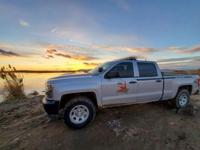
Utah Division of Wildlife Resources wants the publics help in holding poachers accountable for illegally killing game.
The DWR is counting on the public to help them find people committing wildlife violations during this fall’s hunting seasons.
While wildlife violations can happen at any time of the year, there is typically an uptick during the fall hunting seasons. There are currently around 50 natural resources officers patrolling all of Utah, and they can’t be everywhere.
DNR Lt. Casey Mickelsen said hunters need to take responsibility for knowing the laws, having a current hunting or combination license, and knowing what species and areas their permits allow them to hunt before they go out into the field.
“We are requesting the public’s help in gathering information about wildlife violations. Please keep your eyes and ears open and report suspicious wildlife activity to us,” he said. “With the information you share, we can enforce wildlife laws, which help with wildlife conservation and maintaining healthy populations and also keep our recreating public safe.”
Typically, it is the most helpful when Utah hunters are familiar with the hunting laws and regulations so they can more easily identify when someone is doing something illegal. Some examples of that are:
- Knowing when deer hunting season is and then reporting someone who is hunting or has shot a deer outside of those dates.
- Reporting if someone is shooting at wildlife at night (people only allowed to hunt during daylight hours.) Or, if you see people driving around using a spotlight at night during hunting season, that’s usually a sign of poaching activity.
- Reporting if someone is attempting to locate wildlife with a trail camera on public land during hunting season or using a drone while hunting.
- Reporting if someone has only removed the head of a deer or elk and left the rest of the meat to waste (which is illegal).
- It’s also a common sign of poaching is when they only take the head/ antlers of the animal.
Get a license plate number
Getting a license plate number of those who are possibly doing illegal activity is a critical piece of information people can give conservation officers. If they can’t get a license plate number, they should give as much information about the suspected vehicle to the officer.
“Having a license plate number will lead us to the individual, so we can interview the person and start investigating,” Mickelsen said. “Other helpful details include the type and color of the vehicle the person was driving, how many people were involved and a description of what you saw. And, if you can give us a GPS coordinate, that can guide us quickly to the area where the possible violation occurred.”
Report the information to the Division of Law Enforcement using one of their 4 channels
Here are the various examples of reporting illegal wildlife activities:
- Text officers at 847411.
- Call the Utah Turn-in-a-Poacher hotline at 800-662-3337. (The UTiP hotline is staffed 24 hours a day, seven days a week and is the quickest way to report a wildlife violation.)
- Use the UTDWR Law Enforcement app.
- Report online through the DNR website or the DWR website. Note that contact with an officer may be limited with this option.
People can also call the nearest local police dispatch, and they will pass the information along to the closest conservation officer. Local police dispatch numbers can be found online. People can call 911when they are witnessing a poaching violation and feel the incident must be reported immediately.
Don’t confront the individual
Do not confront individuals who might be committing a violation; just observe from a distance and take note of as many details as possible.
“We don’t want anyone to be put in harm’s way or to be in a situation that makes them uncomfortable,” Mickelsen said. “Report what you saw and let us contact them.”
Don’t call UTiP for information
The UTiP hotline is not an information line. Only call it to report possible poaching and other wildlife-related crimes.
“Every time our officers receive a UTiP call, even if it isn’t related to a wildlife crime, they have to file a follow-up report,” Mickelsen said. “Filing the report takes time away that could have been spent fighting wildlife crime in Utah. Please call the UTiP line only to report wildlife crimes. If you’re simply looking for hunting or fishing information, call the nearest DWR office.”