
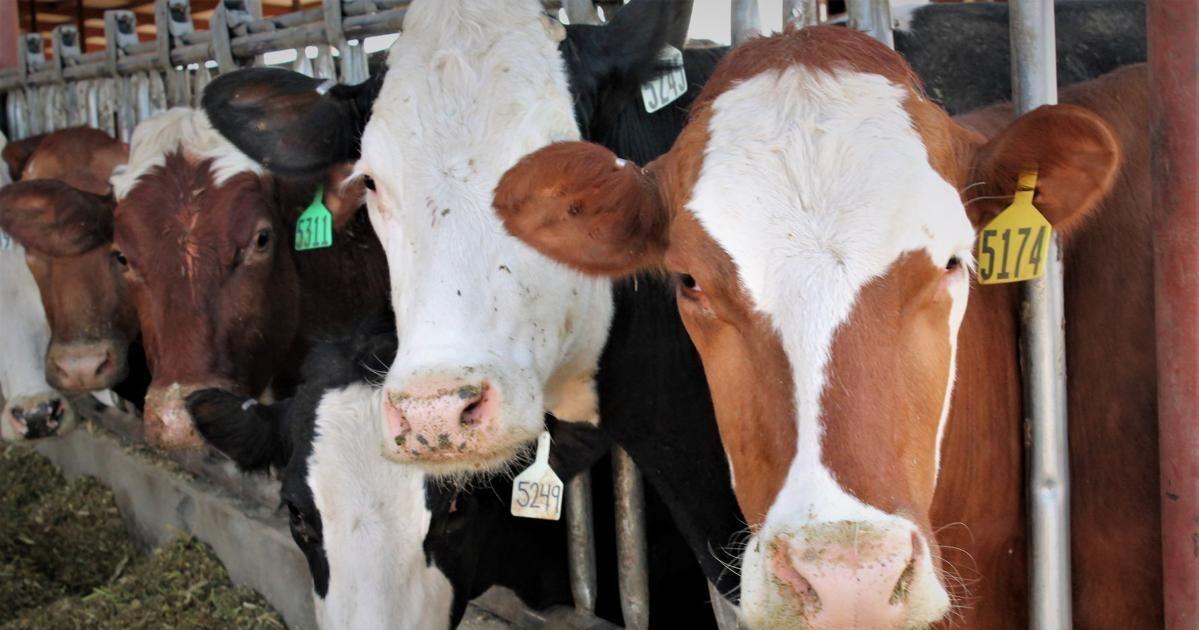
LOGAN — A sample from a dairy in Cache County has tested positive for highly pathogenic avian influenza, prompting state agricultural officials to implement mandatory weekly surveillance in the surrounding area.
The Utah Department of Agriculture and Food announced that officials were notified of the positive test at a Logan facility on June 1. In response to the discovery, the UDAF is mandating weekly testing for HPAI in dairies throughout Cache County to aggressively track and curb potential outbreaks.
Any dairy facility that tests positive for the virus will be placed under immediate quarantine. Under these strict state guidelines, no lactating cattle will be allowed on or off the affected premises, with an exception only made for cows being transported directly to slaughter.
“What this virus tends to do is it hits one dairy and then it spreads from there, and so that’s why we’re doing this mandatory surveillance in the area,” UDAF State Veterinarian Amanda Price said.
While state and local officials are implementing intense surveillance protocols, they remain unsure exactly how the virus spreads so effectively between dairies. Price noted that infected cattle typically present with a fever and will temporarily stop eating their feed.
To combat the outbreak, the UDAF is actively coordinating its response, surveillance and biosecurity efforts with local dairy producers, the Utah Department of Health and Human Services and various federal partners.
Highly pathogenic avian influenza is a virus that primarily infects birds, causing them to shed the virus in their saliva, mucus and feces. However, the virus can also infect the respiratory tracts of mammals.
Health officials emphasize that human infections with the HPAI virus remain exceedingly rare. To prevent potential transmission, the public is strongly advised to avoid exposure to sick or dead animals, including wild birds, poultry and other domesticated animals. People should also avoid contact with animal feces, litter or any materials potentially contaminated by infected animals.
Despite the outbreak among cattle, the commercial food supply remains secure. Price noted that pasteurized dairy products pose no risk to the general public.
“We have seen some cases in dairy workers, the people that are in the closest contact with these infected cattle, but even those are really mild or have been so far,” Price said.
Agricultural producers are urged to report any signs of illness in poultry or dairy cattle directly to the State Veterinarian’s Office by emailing statevet@utah.gov.