

SALT LAKE CITY – Bird hunters beware, there are at least 24 waterbodies with dangerous amounts of algae blooms that can cause harm to dogs and people.

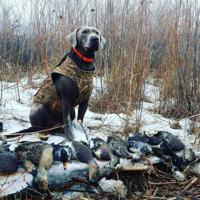
Algae is dangerous for pets.
When hunters get onto the water to harvest migrating geese and ducks be as prepared to recognize and avoid harmful algal blooms and mats on some Utah waterbodies.
As of Friday, Sept. 27, the Utah Division of Water Quality counted up to 24 lakes or reservoirs put on warning and danger advisories across Utah. At the end of October the Utah Division of Water Quality will stop monitoring for harmful algal blooms as temperatures continue to decrease and weather conditions worsen during the fall and winter. Harmful algal blooms can persist throughout the fall and winter and continue to pose a potential threat to humans and pets.
“Beginning at the end of October, some active advisories will be lifted, and warning signs posted at waterbodies and website posts will start to come down,” Utah Division of Water Quality Environmental Scientist Dr. Hannah Bonner said. “However, it’s essential to know that these blooms can continue in colder weather. People should know what to look for, and when in doubt, keep your pets and hunting dogs out of the water.”
Cyanobacteria, also known as blue-green algae, multiply to high densities and form visible water discoloration, scum and mats. Harmful algal blooms can look like pea soup, spilled paint, grass clippings or water that has a green or blue-green hue.
Cyanobacteria can produce several kinds of toxins that can affect liver, nerve and skin tissue. If a hunter suspect a harmful algal bloom in the water or algal mats along the edge of the water or in wetlands, stay out of the water and avoid any contact with water or scum. DWR wants hunters to be sure they clean their waterfowl and fish well with fresh water and discard all guts.
Dogs should be kept away if there is suspected algal blooms or algal mats, the toxins have proven to be fatal in pets. Dogs can be exposed to toxins by:
- Skin contact with water or mats that are contaminated with cyanobacteria or toxins
- Swallowing water
- Licking the water off their fur or hair
- Eating algal mats along the edge of a waterbody
The DWR will post educational signs in some of its waterfowl management areas to help provide waterfowl hunters with information on identifying harmful algal blooms and algal mats.

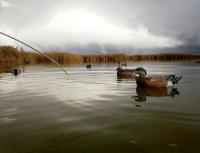
Waterfowl should be cleaned with fresh water before taking them home.
Pets exposed to a harmful algal bloom, should seek immediate care from a veterinarian. Even with proper veterinary care, most exposures are fatal. Prevention is the best way to protect your pet.
Suspected harmful algal blooms can be reported to DWQ by calling 801-536-4123. Find more information about harmful algal blooms at habs.utah.gov.