LOGAN — The Federal Communications Commission this week launched a review of sports broadcasting practices, saying that the growing shift of live games from free, over-the-air television to unregulated streaming services may be eroding consumer access — a concern that resonates across Northern Utah as local teams navigate an increasingly-complex media landscape.
In a public notice released Feb. 25, the FCC’s Media Bureau announced it is opening MB Docket No. 26-45 to examine “sports broadcasting practices and marketplace developments,” with comments due March 27 and reply comments due April 13.
“For decades, Americans have enjoyed turning on their television sets and quickly finding the games they wanted to watch for free on an over-the-air broadcast,” the FCC wrote. “Yet watching your favorite sports team play is not as easy these days.”
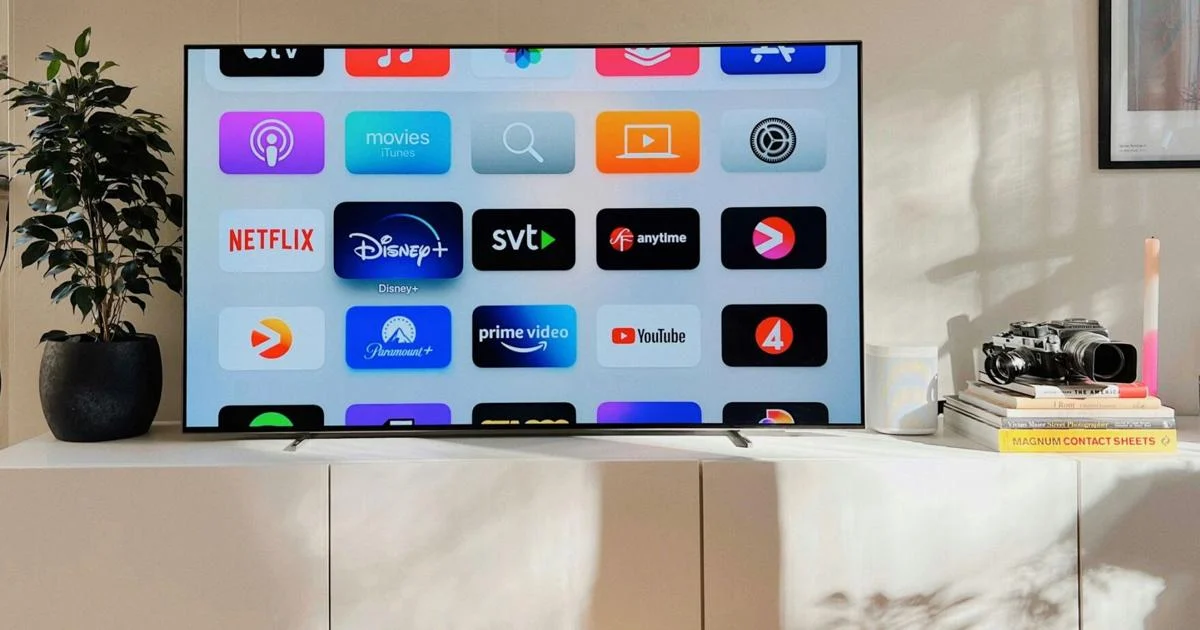
The agency cited a surge in games moving behind streaming paywalls and warned that many consumers now must subscribe to multiple services that “consumers can find difficult to navigate.”
Implications for Utah State and Pac-12 games
For Utah State Aggies supporters, the proceeding coincides with the school’s transition to the Pac-12 Conference beginning in the 2026-27 season — a move that brings new national media partners to Cache Valley’s flagship sports programs. The Pac-12 has lined up multiple broadcast partners, including CBS, The CW and USA Network, to carry football and basketball games across linear television and streaming platforms. This includes roughly two dozen football games and dozens more in men’s and women’s basketball annually under its multiyear agreements.
While conference officials describe the expanded network footprint as increased visibility for Utah State and other members, fans will have to track games across multiple networks and services, a development similar to national trends cited in the FCC notice.
Local professional teams: mix of free, paid options
The broadcast environment for Utah’s professional teams is also evolving. Utah Jazz games remain available through over-the-air broadcasts on local affiliates like KJZZ in the Salt Lake area, but not all of those channels are carried on national streaming services such as YouTube TV. In-market fans can also stream games via the team’s Jazz+ direct-to-consumer platform or the bundled SEG+ service, which offers extended live and on-demand coverage.
Similarly, Utah Mammoth hockey games are televised free over-the-air on KUPX-TV (Utah 16) for most locally broadcast matchups, while a subscription-based Mammoth+ or the combined SEG+ service provides access to the full slate of games and additional content.
Neither the Jazz nor Mammoth local channels are currently available on platforms like YouTube TV, meaning some fans must rely on antennas or team-specific streaming subscriptions to watch games, according to local viewer reports and broadcast guides.
The shift to streaming platforms reflects broader national trends described in the FCC notice. The commission noted that NFL games in 2025 aired on 10 different services and that some consumers could spend more than $1,500 to watch all games in a season.
Twenty regular-season NFL games and one playoff game were distributed exclusively on streaming platforms, according to the notice.
Although the NFL requires locally simulcast games in the home markets of competing teams, the FCC pointed out that arrangement is contractual and not mandated by federal rule.
The NBA and NHL have likewise entered multi-billion-dollar agreements with combinations of broadcast, cable and streaming distributors, according to the FCC background summary.
For Utah fans, that affects access to Jazz and Mammoth games, which may appear across a mix of regional sports networks, national broadcast windows and streaming platforms.
Local broadcast and public access concerns
The FCC’s review highlights the tension between traditional free broadcast access and modern subscription models, raising questions about how local stations might sustain coverage of community-focused events, including high school sports and other regional programming that have historically benefited areas like Cache County and Logan.
The FCC emphasized the historic relationship between live sports and free, over-the-air broadcast television. Sports programming has long helped fund local news operations through advertising revenue, the agency noted.
The Media Bureau is now asking whether the shift toward streaming and exclusive digital deals could inhibit local stations’ ability to meet public interest obligations, including providing local news and public safety information.
That question carries weight in markets like Utah, where local television and radio outlets remain primary sources of emergency information, weather coverage and community news.
The FCC also asked how changes in sports rights deals affect costs to consumers and whether current contracts conflict with broadcasters’ public interest duties under federal law.
As Utah sports fans prepare for the coming seasons — from Pac-12 competition in Logan to NBA and NHL action — the FCC proceeding could influence future requirements on how and where live sports must be made available to the public.