
SALT LAKE CITY — Utah has been named the most charitable state in America, leading the nation in volunteerism and the percentage of income donated to charity, according to a new report from personal finance website WalletHub.
The report, which compared all 50 states across 17 indicators of charitable behavior, ranked Utah first overall with a score of 68.97 out of 100. Wyoming finished second with a score of 67.33, while Idaho ranked 17th.
Utah’s top ranking was driven largely by residents’ willingness to donate their time and money to charitable causes, as well as their efforts to help neighbors and others in their communities.
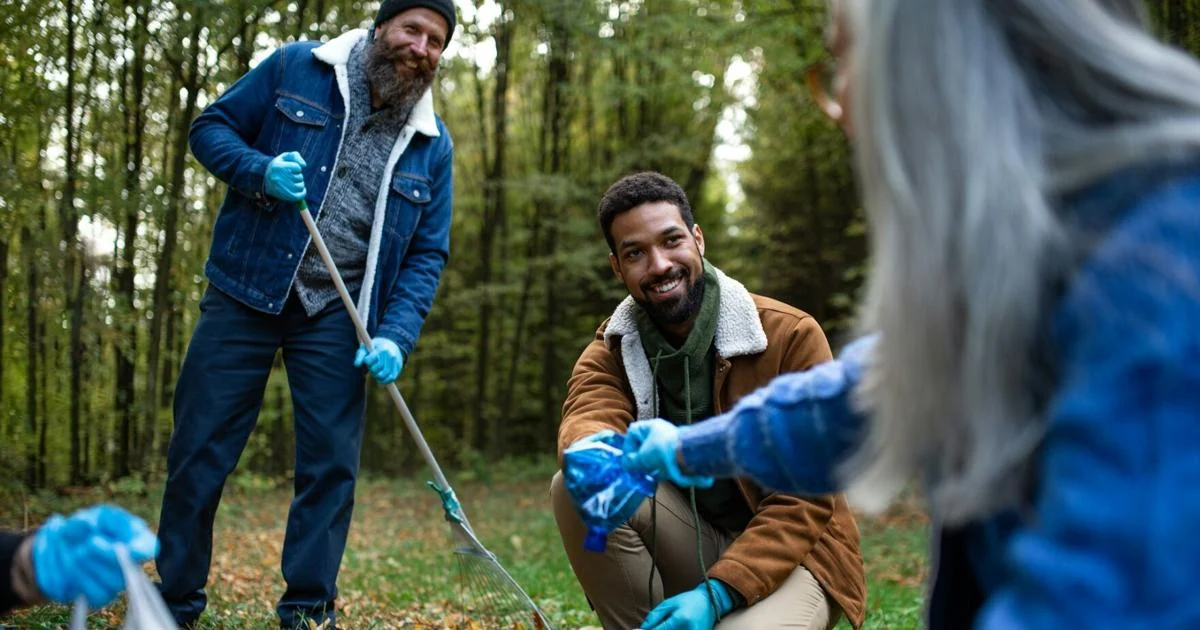
According to the study, approximately 47% of Utah residents volunteer, the highest rate in the country. Utah also leads the nation in volunteer hours per capita, with residents contributing more than 45 hours annually.
The state’s generosity extends beyond organized volunteer activities. More than 68% of Utahns reported helping neighbors with tasks such as house sitting, child care or lending tools at least once during the past year.
“Utah is the most charitable state, boasting the highest volunteer rate at roughly 47% and the most volunteer hours per capita at over 45 hours,” said WalletHub analyst Chip Lupo. “On top of volunteering for organizations, Utahans are also happy to do favors for their neighbors, with over 68% of the population reporting that they helped out with tasks like house sitting, watching children or lending tools at least once in the past year.”
Utah residents also lead the country in the percentage of income donated to charitable organizations. According to the report, Utah families contribute approximately 3% of their adjusted gross income to charity, on average, the highest percentage nationwide.
The state also ranks third in the percentage of taxpayers who donate money to charitable causes.
Utah, Wyoming and Idaho among nation’s most generous states
Utah’s neighbors also performed well in several categories.
Wyoming ranked second overall, with residents volunteering an average of approximately 28 hours annually, the fifth-highest figure in the country. About 34% of Wyoming residents volunteer, ranking 14th nationally.
Wyoming residents also donate more than 2% of their adjusted gross income to charity, according to WalletHub.
Idaho finished 17th overall but ranked third nationally in volunteering and service. The Gem State’s overall ranking was affected by its 47th-place finish in the charitable giving category.
How Utah and neighboring states ranked:
|
State |
Overall rank |
Volunteering and service |
Charitable giving |
|---|---|---|---|
|
Utah |
1 |
1 |
16 |
|
Wyoming |
2 |
2 |
13 |
|
Colorado |
7 |
11 |
10 |
|
Idaho |
17 |
3 |
47 |
|
Nevada |
49 |
48 |
43 |
|
New Mexico |
50 |
50 |
49 |
While Utah ranked first overall and in volunteering and service, its charitable giving category ranking was 16th. The category incorporates additional factors beyond the amount of money donated, including the number of charities per capita, charitable regulations and other indicators.
Americans donate billions in money and volunteer time
The report comes as Americans continue to contribute significant amounts of money and volunteer hours to charitable organizations.
According to Giving USA, Americans donated more than $617 billion to charity in 2025, with nearly 64% of those contributions coming directly from individuals.
Approximately 76 million Americans volunteer, contributing a combined 5 billion hours annually. WalletHub estimates that volunteer labor represents more than $167 billion in contributions.
However, charitable organizations face challenges as inflation and economic uncertainty affect household budgets.
“The modern philanthropic landscape is walking a tightrope,” said Andrew Burnstine, an associate professor at Lynn University, in commentary accompanying the WalletHub report.
Burnstine said nonprofits face increasing demand for services while donors have less discretionary income available to contribute.
Scott Thorne, an instructor at Southeast Missouri State University, also pointed to rising food costs and declining purchasing power as challenges for charities and the families they serve.
Despite those financial pressures, WalletHub emphasized that donating time can be just as valuable as making financial contributions.
“The share of the population giving and the percentage of their individual income that they’re willing to use to help others are big factors in showing how charitable people are,” Lupo said. “In addition, many people can’t afford to give much money, especially due to the influence of inflation, but they generously donate their time, which is just as important.”
How the rankings were determined
WalletHub evaluated states using 17 indicators divided into two categories: volunteering and service, and charitable giving.
The study considered volunteer participation rates, hours volunteered per capita, the percentage of income donated, the number of charitable organizations and food banks per capita, and the percentage of homeless residents living in shelters.
Each category accounted for half of a state’s overall score.
The report used data collected as of Oct. 12, 2026, from sources including the U.S. Census Bureau, Internal Revenue Service, AmeriCorps, Feeding America and the U.S. Department of Housing and Urban Development.