
LOGAN – With the water picture in Cache Valley and surrounding areas in Utah looking grim, the Utah Division of Water Resources is investing in new ways to bring more water to the arid landscape of Utah.
They have partnered with other agencies like the Weber Basin Water Conservancy District and the Great Salt Lake Commissioner’s Office to explore the use of Airborne Snow Observatories (ASO) technology in the Great Salt Lake Basin.
Wings over Weber is the second ASO project of its kind in Utah. The first one focused on a watershed within the Great Salt Lake Basin. The project was funded, in part, by a grant from the Bureau of Reclamation.
“This partnership represents a critical step forward in our efforts to understand and manage our snowpack,” said Joel Williams, director of the Utah Division of Water Resources. “By utilizing this new technology, we can gain insights into our snowpack, which is crucial to our water supply.”
This technology was developed by NASA as a method to enhance snow measurement. ASO technology has been effective and useful in other areas where it has been applied.
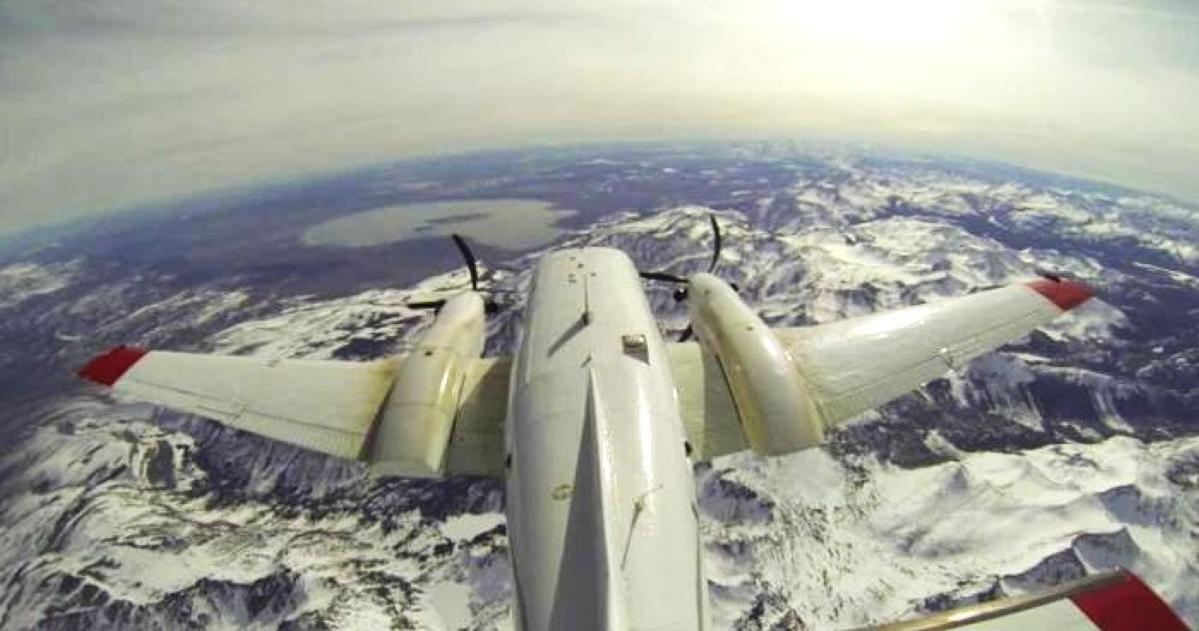
ASO works by flying a plane with special instruments (LiDAR and a spectrometer) over a watershed to measure the depth of the snow beneath. The plane flies in a lawnmower-like pattern back and forth, capturing an accurate spatial representation of the snowpack and snow water equivalent. The data gathered is ingested into a snowpack model, which is then used to produce a spring runoff forecast.
The first of two planned aerial snow surveys in the Weber River Basin was completed on March 8 of this year. Data collected during these flights will be incorporated into advanced snowpack modeling efforts used to generate seasonal water supply forecasts for the basin.
The data gathered will help water managers and planners confront the challenges related to drought and Great Salt Lake levels.
Understanding a system’s water availability allows for more effective operational decisions, such as reservoir releases and flood control, ultimately helping to preserve our precious water resources.