
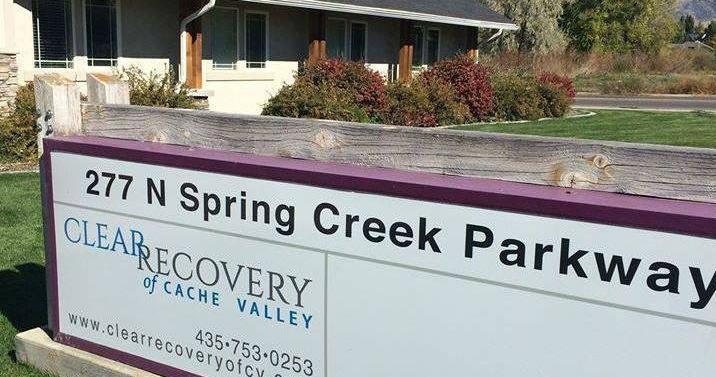
PROVIDENCE – Residents of Providence are concerned for their safety because of a drug rehab facility being proposed in their neighborhood on the south bench.
Cache Valley Daily received an email from a concerned citizen, saying, “The city has just approved a drug rehab facility to be brought into a residential neighborhood with more than 50 kids in it. This is an outrage as it provides a clear and present danger to the health, safety and welfare of the children that live in and around this neighborhood.”
We contacted the concerned citizen multiple times through email, phone calls and text messages but received nothing back.
The concerned citizen was worried about Clear Recovery of Cache Valley asking Providence for a variance to allow up to 16 unrelated individuals, who are also battling drug addiction, to occupy a home at 869 South 500 East.
The owner of Clear Recovery of Cache Valley heard about these residents who are concerned for their safety and understands that this is a new experience for them.
Clear Recovery of Cache Valley opened their doors in 2015 and now has been helping people for 10 years. Jay Hymas is the owner of Clear Recovery of Cache Valley and says that people who come “aren’t people in active addiction. These aren’t people using substances, there are people in recovery.”
The organization has received phone calls from citizens who are concerned.
“We’ve had some phone calls, lots of them were full of the misbelief and false sense of fear,” said Hymas.
Clear Recovery of Cache Valley does a criminal background check on anyone who wants to come to the facility.
“Everyone prior to intake or upon intake during the intake process, if you will, we will do a criminal background check on them, every one of them,” said Hymas.
Cache Valley Daily contacted one more concerned neighbor and they said ”my attorney has recommended that we don’t comment on the house at this point.”
Cache County Sheriff’s office has shared statistics on recent arrests that have happened in the community, about 24.4% of arrests were drug and alcohol related from last year and now it is up to 38.5%.
Jay Hymas says that he is here to lower that number.
“I hope people get help before they get eaten by a wreck,” Hymas explained, “and I hope people get the help before tragic accidents and unforgiving things happen.”
The company is using the Affordable Care Act to classify its clients, drug addicts, as people who have a disability. With that classification they can use the Americans with Disabilities Act and the Fair Housing Act to override city zoning enforcement and avoid a public hearing about their request to convert a residential home into a treatment facility.