
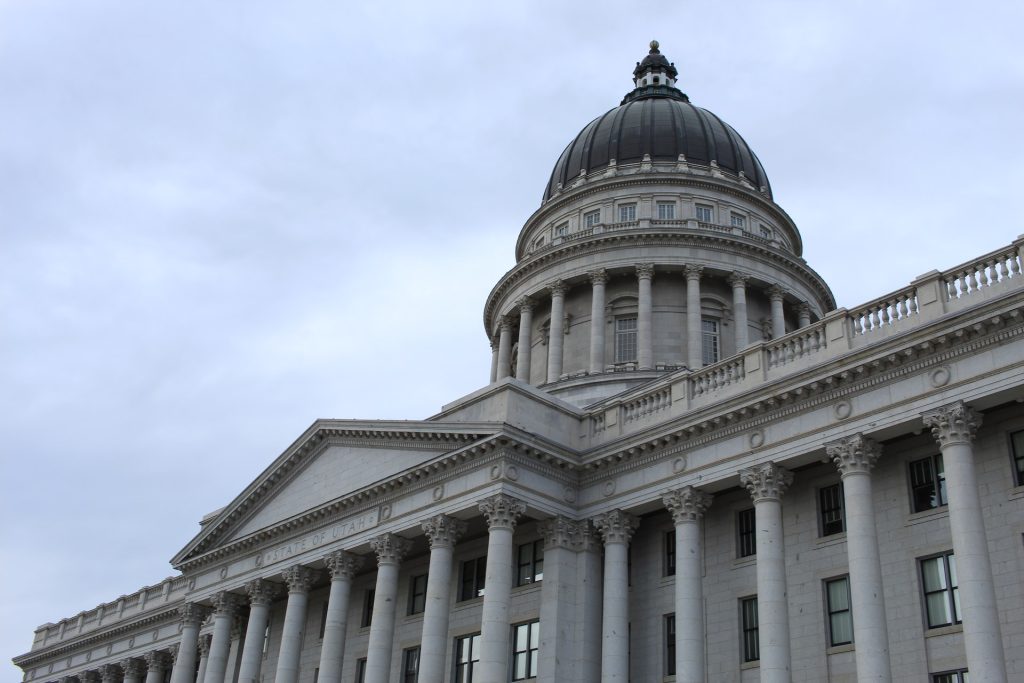
Gov. Spencer Cox announced on Oct. 24 that he and Attorney General Sean Reyes are filing a lawsuit in state courts against Meta Platforms, Inc. , the parent company of Facebook and Instagram (Photo by Danny Burke on Unsplash).
SALT LAKE CITY – Not content with the ongoing lawsuit against TikTok, Gov. Spencer Cox and Attorney General Sean Reyes are now going after Meta Platforms, Inc., the parent company of Facebook and Instagram.
“Regulating social media companies to protect minors is not a partisan issue,” Cox explains. “Most people across the political spectrum agree that we cannot allow addictive algorithms and deceptive practices to continue harming our children.”
The new lawsuit, filed in state court on Oct. 24, alleges that the social media giant violated the Utah Consumer Sales Practices Art by designing its platforms to trap children into excessive harmful use of its products that cause serious mental health issues.
The suit also alleges that Meta designers deceived parents and young users about the safety of using Instagram and Facebook.
The Utah filing comes as a result of a years-long investigation into Meta business practices by a bi-partisan group of 42 state attorneys general.
The results of that nearly nationwide investigation indicate that Meta intentionally crafted products designed to bombard children with slot-machine-like functionalities, night-and-day alerts and predatory features intended to promote excessive use.
Those findings also confirm that Meta’s market domination tracked closely with an alarming rise in rate of adverse mental health symptoms among Utah children.
As alleged in the lawsuit, Meta used its platforms to siphon important data about its users, in order to target revenue-generating ads as precisely as possible to its users’ personal preferences.
The investigation by state officials also confirmed information leaked to The Wall Street Journal in 2021 that alleged that Meta prioritized “profits over safety.”
Utah’s lawsuit contends that that Meta has known for years that its business practices were negatively impacting the health and well-being of young users, while its spokespeople were simultaneously touting low rates of negative experiences and promising safety for all users that Meta managers knew were untrue.
“We are now seeing a generation that hasn’t known life without Meta’s products,” Reyes says.
“This lawsuit is a first step toward putting guardrails around a company that is in our homes, our schools and our neighborhoods.”
“Just as litigation effectively spurred change in the opioid pharmaceutical industry and Big Tobacco,” Cox adds, “ we expect this lawsuit will inspire Meta to improve its child safety practices.
“This action shows that we will continue to fight for the mental health and well-being of our kids.”
With its law enforcement partners across the country, state officials say they aim to finally hold Meta accountable for these alleged illegal acts and bring about meaningful changes to the company’s business practices.
The complaint filed on Oct. 24 also asks the state court to impose a penalty and other relief measures to ensure that Meta and other companies understand the significant consequences of targeting Utah’s youth.