
BRIGHAM CITY – The Bear River Migratory Bird Refuge (BRMBR) was in the news lately when the U.S government spent $60 million to acquire land essential to some 250 bird species.
That count includes 76 bird species that nest in the area, along with countless other wildlife.
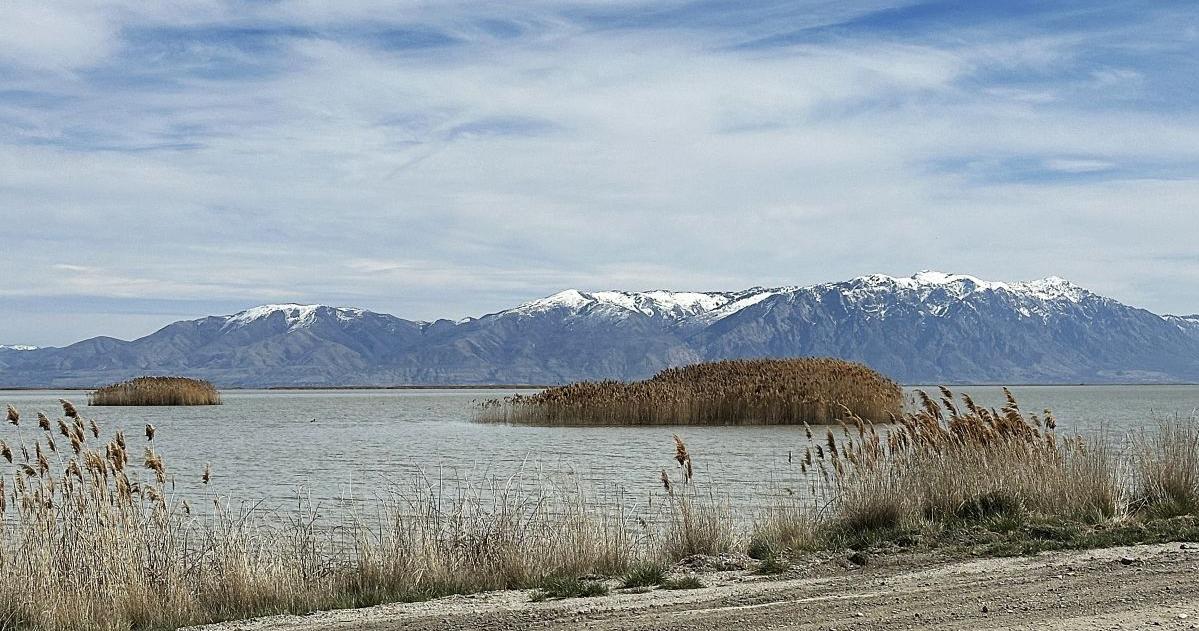
The refuge is located where the Bear River and its delta flow into the northern part of the Great Salt Lake in eastern Box Elder County, west of Brigham City.
The refuge was established in 1928 to save migrating birds and currently stands at 77,102 acres in size.
From 1910 and 1925 an estimated 7 million ducks died on the same wetlands where the BRMBR is today due to an outbreak of avian botulism.
Carl Milligan, the complex refuge manager, said the State of Utah and the U.S. Fish and Wildlife Service have long acknowledged a century-old ownership dispute over roughly 22,000 acres within the refuge.
“It was commonly called the ‘settlement lands.’ Utah filed a Quiet Title Act case in 2012,” he said. “In 2016, the parties reached a global settlement agreement that resolved most of the dispute and established a process for the U.S. Fish and Wildlife Service to acquire the remaining contested parcels through a federal appraisal.”
That appraisal emphasized the refuge’s ecological purpose, its importance to Great Salt Lake habitats and its role in fulfilling Migratory Bird Treaty Act obligations.
“Each year, Bear River Migratory Bird Refuge welcomes more than 100,000 visitors,” Milligan said. “In 2025, the refuge hosted 11,986 visitors at the Wildlife Education Center, over 84,000 automobiles along the (12-mile) auto tour route, nearly 5,449 students on field trips and more than 10,200 participants at special events.”
Also, in 2025 over 17,000 hunters visited the BRMBR and bagged some of the diverse types of game offered there.
“The James V. Hansen Wildlife Education Center (located at 2155 W Forest St.) serves as the welcoming gateway to Bear River Migratory Bird Refuge. It offers visitors an inspiring introduction to one of the nation’s most important wetland ecosystems,” he said. “The center provides engaging exhibits, educational programs and helpful orientation for exploring the refuge’s vast landscape of wetlands, wildlife and scenic vistas.”
The center has three walking trails for the public to use.
The Wetland Wonders trail is half a mile in length, the Bulrush Bridge trail is three quarters of a mile long and the Marsh Meander trail is one and a half miles long.
Visitors come to the center each year not only to learn about the history of the refuge, but to discover the incredible diversity of migratory birds that rely on this habitat for survival.
“With its interactive learning spaces and friendly staff and volunteers, the center helps visitors of all ages connect to the natural world and deepen their understanding of the Great Salt Lake ecosystem,” he said. “On special event days visitors have the chance to explore the refuge’s Teaching Lab room full of interactive activities and artifacts related to wildlife and habitat.”
Milligan said the Bear River Migratory Bird Refuge is a living testament to the power of conservation and community stewardship. The wetlands provide a critical habitat for millions of migratory birds each year.
The BRMBR continues to serve as a place where people of all ages can connect with nature, learn about the region’s deep cultural history and experience the beauty and resilience of the Great Salt Lake ecosystem.