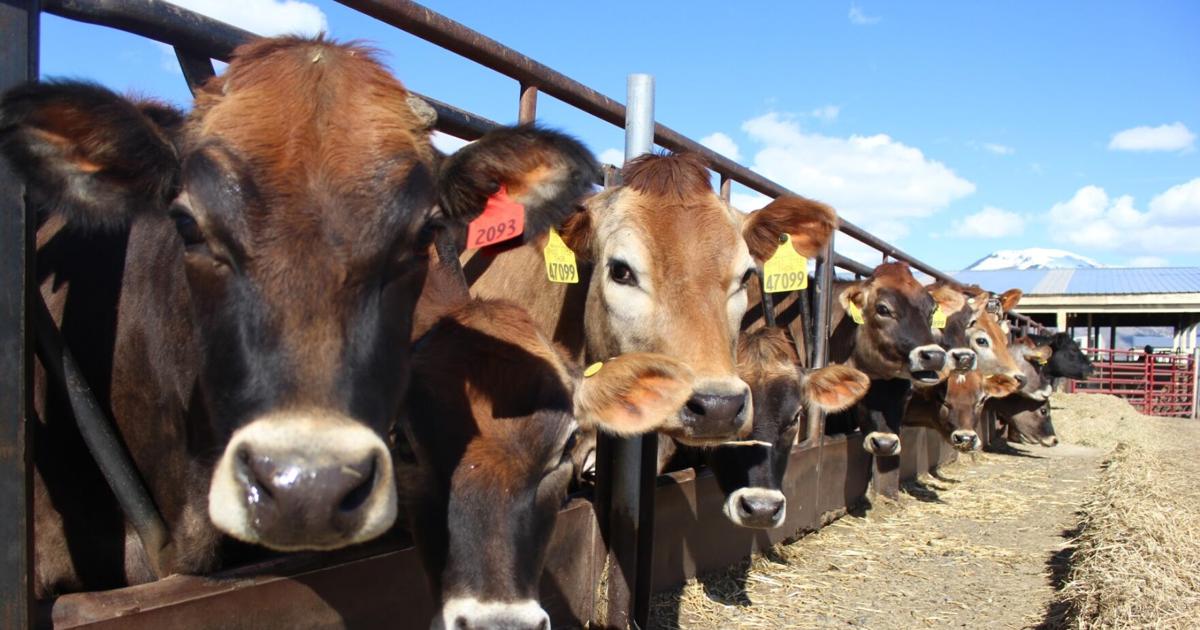
LOGAN — Health officials are administering preventive treatment to individuals who had direct contact with a deceased cow that tested positive for anthrax.
The Bear River Health Department announced the findings after the animal, which originated in Idaho, was submitted to the Utah State University Veterinary Diagnostic Laboratory for testing. Laboratory results confirmed the cow died from an infection of Bacillus anthracis, the bacterium that causes anthrax.
officials said those with direct exposure to the animal have been identified and are receiving preventive care, including antibiotics and the anthrax vaccine. The department emphasized that these measures are standard public health protocols and are highly effective at preventing illness following exposure.
The department released the information proactively to quell potential rumors regarding the administration of vaccines and antibiotics. Officials clarified that this is a naturally occurring case found in livestock and is not related to bioterrorism or a deliberate act.
“The department is providing this information proactively so that if community members hear that preventive antibiotics or vaccines were administered, they understand this was done out of caution and in line with public health procedures—not because of any ongoing threat to the public,” the department stated.
While the term “anthrax” often raises concerns due to its history as a biological weapon, the bacteria occur naturally in soil and have been found in livestock across the United States for decades. Health officials noted that such detections, while sounding alarming to the general public, are not unexpected in agricultural settings.
Experts stress that anthrax is not spread from person to person. The risk to the general public remains extremely low, as human cases are rare and typically result only from direct contact with infected animals or contaminated animal products.
The Bear River Health Department is coordinating with Utah State University, state partners and federal agencies to ensure appropriate monitoring and mitigation. No additional risk to the community has been identified.
Residents with questions regarding the incident may contact the Bear River Health Department at 435-792-6525.