
WASHINGTON, D.C. – U.S. Rep. Blake Moore (R-UT) is hailing the House bipartisan passage of the National Defense Authorization Act (NDAA) for Fiscal Year 2026 as a major step toward strengthening the defense industrial base and the long-term health of facilities like the Ogden Air Logistics Complex at Hill Air Force Base and the Tooele Army Depot.
“This year’s NDAA provides improved resources for Utah service members and their families,” Moore said after passage of the congressional measure on Dec. 10. “It also strengthens American leadership and military deterrence against our adversaries and ensures that our armed forces are receiving the tools they need to remain second to none on the global stage.”
The more than 3,000-page bill passed the house by a 312-to-112 vote margin with strong partisan support, according to Washington-based inside-the-Beltway journals. Voting “aye” on the NDAA were 115 House Democrats who found common ground with 197 Republicans, sending the authorization bill to the Senate, where it is expected to pass and then be signed by President Donald Trump.
The price tag for the FY2026 NDAA is approximately $900 billion, up from $883.7 billion in 2025 and more than $8 billion over Trump’s funding requests for the next fiscal year.
One of the few authorizations passed annually by the divided Congress, the NDAA funds the federal departments of War and Energy, including line items like health care and troop compensation as well as research and development.
This year’s NDAA also impacts controversial policies like funding deployment of National Guard and active-duty troops to the southwest border; ending Biden-era wokeism in the War Department; and dismantling Diversity, Equity and Inclusion initiatives throughout the military.
In his role as co-chair of the Military Depot and Air Force caucuses in the House, Moore chalked up several wins in the NDAA for the missions of Hill AFB and the benefit of service members and their families.
On a department-wide basis, the 2026 NDAA increases the military’s basic allowances for both housing and subsistence, widening the eligibility of lower-enlisted service members and their families to qualify for federal food assistance.
The authorization bill also includes a 3.8 percent pay increase for all service members.
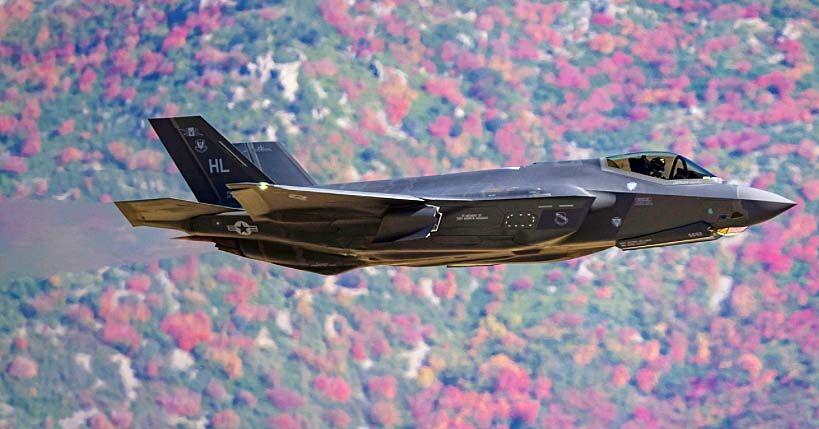
Here in Utah, the NDAA authorizes more than $250 million in new construction at Hill AFB, including $2.6 million for planning and design of a canopy repair facility for F-35 fighter jets; $22 million for construction of a new F-35 maintenance facility; and $113 million for construction of another maintenance facility for the new T-7A Red Hawk jet trainers now being acquired by the Air Force.
The measure also authorizes $28 million for energy resilience and grid security at Camp Williams in Salt Lake County; $145 million for Air National Guard projects at the Salt Lake City International Airport; and another $100 million for barracks design and minor construction/demolition of military facilities in Utah.
Moore said the NDAA also requires that U.S. military strength in Europe and South Korea remain at current levels to deter potential adversaries like Russia and North Korea from threatening U.S. treaty allies.
The authorization bill also supports the Baltic Security Initiative; a War Department plan to strengthen the armed forces of Estonia, Latvia and Lithuania to guard the eastern flank of the North Atlantic Treaty Organization (NATO).
“This annual bill is critical to our national security,” Moore explains. “I am grateful to have provided a voice from Utah in the crafting of this legislation.”