
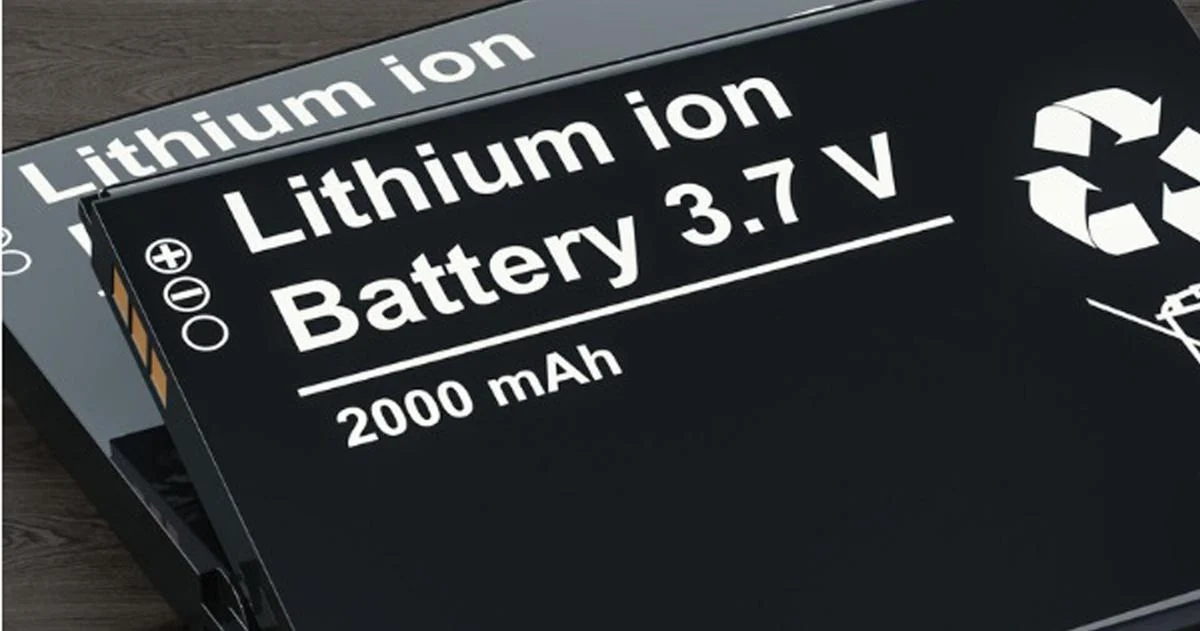
SALT LAKE CITY — Everyday devices like smartphones, laptops, power tools, and e-bikes bring convenience to daily life, but state safety officials warn that the lithium-ion batteries powering them can pose severe fire hazards if damaged or charged improperly.
Marking National Fire Prevention Week, observed Oct. 4–10, the American Red Cross of Utah is urging residents to adopt safer charging habits to prevent catastrophic home fires. This year’s National Fire Protection Association campaign theme, “Charge into Fire Safety: Safe Charging Is a Superpower,” focuses on the risks associated with these high-density energy sources, which store vast energy in small spaces and can rapidly overheat, ignite, or explode.
“Charging a phone or laptop is so routine that it is easy to stop thinking about it as a fire risk,” said Jeremiah Lafranca, executive director of the American Red Cross of Utah Greater Salt Lake Chapter. “Taking a little care each time you plug in can keep an ordinary part of the day from becoming an emergency.”
To minimize fire dangers, safety experts recommend several precautions when handling rechargeable devices:
-
Use approved equipment: Always charge devices using the original cord and power adapter provided by the manufacturer or an approved replacement. Incompatible chargers can damage the battery cell and significantly increase overheating risks.
-
Charge on hard surfaces: Avoid placing charging electronics on beds, couches, or blankets. Soft materials trap heat and block necessary airflow. Charge devices on hard, flat surfaces like desks, tables, or uncarpeted floors.
-
Monitor for warning signs: Immediately disconnect and stop using any battery that becomes excessively hot, swells, leaks, smokes, smells unusual, or makes popping or hissing sounds.
-
Unplug when full: Remove devices from power sources once fully charged to prevent prolonged heat exposure and battery stress.
-
Handle large batteries carefully: Charge high-capacity batteries for e-bikes, electric scooters, and power tools outdoors whenever possible, and never charge them in locations that could block exit routes.
-
Purchase certified products: Ensure new electronic items are certified by a nationally recognized testing laboratory, such as UL, ETL, or CSA.
The Red Cross also emphasized that general home fire readiness remains crucial. Working smoke alarms cut the risk of dying in a home fire nearly in half. Residents should install alarms on every level of their home, inside bedrooms, and outside sleeping areas, testing them monthly and replacing units older than 10 years.
Additionally, household members should create and practice a fire escape plan twice a year that identifies two ways out of every room. During a home fire, occupants may have less than two minutes to safely evacuate.
The warning comes as Red Cross disaster teams continue assisting families across the state. So far in 2026, Utah Red Cross volunteers have responded to 127 home fires and helped 616 people. In 2025, volunteers assisted 728 residents affected by 154 home fires while installing more than 2,000 free smoke alarms in homes statewide.
Utah residents can request free smoke alarm installations and home fire safety planning by visiting SoundTheAlarm.org/Utah.