
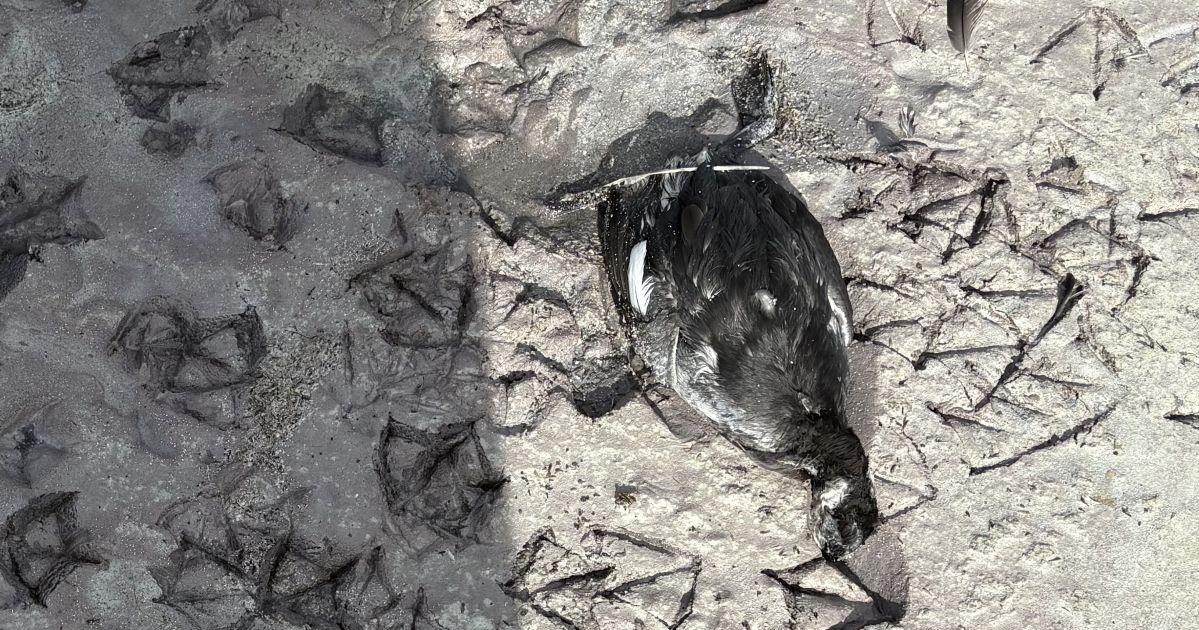
SALT LAKE CITY — The winter wave of the highly pathogenic avian influenza is beginning to run its course in Utah. The Utah Division of Wildlife Resources said the latest cases have begun to affect Utah’s wild bird populations.
DWR has confirmed that the virus has again been detected in wild birds around the Great Salt Lake and in several other counties throughout Utah, in the latest uptick of the ongoing outbreak.
The current outbreak of bird flu began in 2022, but the disease typically spreads more during the spring and fall bird migrations.
DWR Veterinarian Ginger Stout said they saw a lull in new avian flu cases in wild birds from March 2025 to September 2025, but in the last few months, we have seen another uptick in new cases across Utah.
Since October, 49 wild bird carcasses collected from across Utah have been submitted for disease testing and tested positive for avian influenza. The birds most impacted by the latest influx of avian flu cases are:
- Eared grebes in Box Elder, Davis, Salt Lake, Tooele and Weber counties
- California gulls in Salt Lake County
- Canada geese in Box Elder, Cache, Davis, Iron, Sevier, Salt Lake, Summit, Utah, Washington and Weber counties
- Ducks in Box Elder and Davis counties
- Great horned owls in Box Elder, Davis, Summit and Weber counties
- Hawks in Box Elder, Davis and Weber Counties
- Swans in Cache and Salt Lake counties
- Turkey vultures in Box Elder and Weber counties
DWR biologists estimate that roughly 50,000 eared grebes and 250 California gulls have died along the south arm of the Great Salt Lake during this latest influx of avian influenza (although only a few carcasses were disease tested).
DWR Great Salt Lake Ecosystem Program Wildlife Biologist John Neill said roughly 4 million eared grebes migrate through the Great Salt Lake each year, so the birds lost to avian influenza in this recent wave should not have a significant impact on the overall population.
“Eared grebes typically use the Great Salt Lake as a rest area during their winter migrations to eat brine shrimp, fatten up and molt before they continue their southern migration,” he said. “Although we occasionally see eared grebes remaining on the lake into January, the many thousands that are still here is somewhat unusual.”
The warmer lake temperatures are helping brine shrimp persist longer into the winter on the Great Salt Lake, and because they’re the primary food source for eared grebes, that’s likely why the birds are still here.
“Dead birds may continue to wash ashore in the coming months.”
Since 2022, 242 wild birds, one mountain lion, some skunks and three red foxes have tested positive for avian flu in Utah. The virus has been confirmed in 19 counties in Utah since 2022.
The virus is very contagious among wild birds and can cause rapid and high mortality in chickens, turkeys and domestic ducks. Typically, these viruses only occasionally kill wild birds, but this strain is more pathogenic and has been killing more wild birds.
Typically, wild waterfowl, shorebirds, raptors and scavengers (which include birds like hawks, owls, and vultures) are the most common impacted by the virus. Typically, waterfowl, shorebirds, raptors and scavengers are the most affected by the virus.
The virus spreads through nasal and oral discharge, as well as fecal droppings from affected birds. It can be spread to backyard poultry and domestic birds through contaminated shoes or vehicles.
As songbirds are generally not effected by the virus people shouldn’t have to remove their bird feeders unless they also have backyard chickens, domestic ducks or wild waterfowl on their property. If you have a bird feeder or birdbath, you should clean it regularly.
Stout said the outbreak is still ongoing, so they are still advising anyone who finds a group of five or more dead waterfowl or shorebirds — or any individual dead scavengers or raptors — to report it to the nearest DWR office.
“Don’t touch the birds or pick them up,” he said. “Report it to us, and we will come collect them for testing. We are continuing to monitor this virus in wild bird populations. This particular strain is affecting more wild birds and is more widespread than the last outbreak of highly pathogenic avian influenza in the U.S.”
For more information about the current avian flu outbreak in wild birds, visit the DWR website. You can also view all the latest cases of avian flu in wild animals on the DWR website.
To report any symptoms of avian flu in domestic birds, contact the Utah Department of Agriculture and Food. For information about possible human health impacts, visit the Utah Department of Human Services website.