
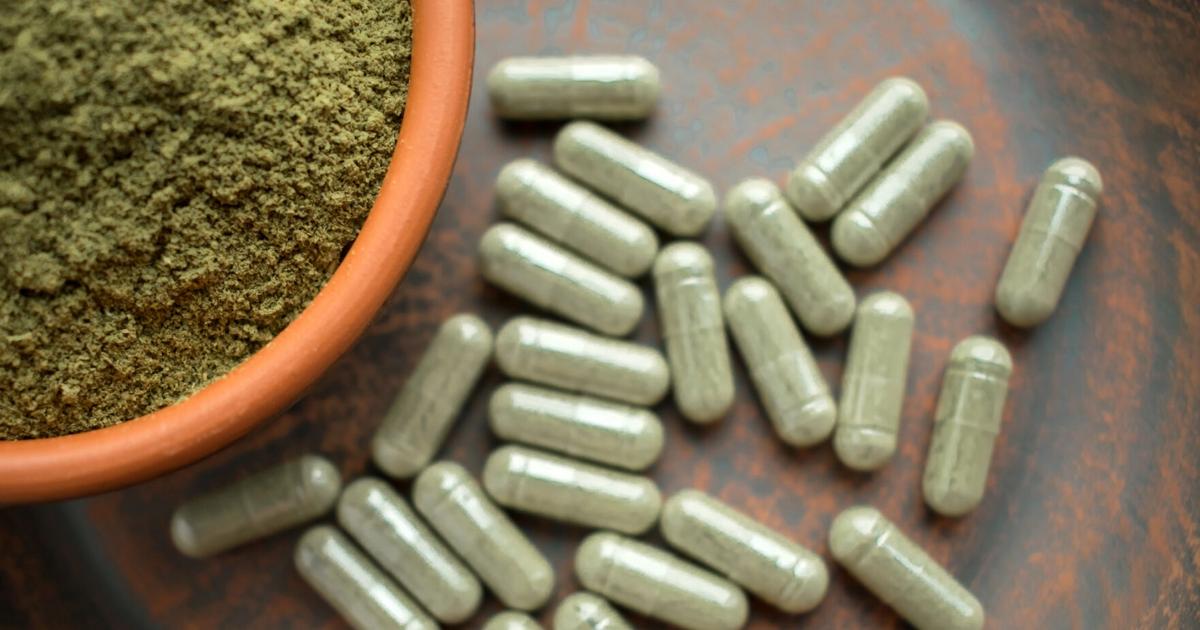
Kratom (Mitragyna speciosa) is a tropical tree native to Southeast Asia. For centuries, people in that region have chewed the leaves or brewed them into tea for a mild energy boost and opioid-like pain-relieving effects.
In recent years, kratom use has increased in the United States. It comes in various forms, including capsules, powders, and liquid extracts or “shots.” These products are inappropriately marketed as health supplements, promoted for boosting energy, improving mood, or producing opioid-like effects. However, many users may not fully understand what they are taking or the potential risks. Companies have faced repercussions for marketing and labeling that could attract minors. Kratom has been falsely promoted as a safe dietary supplement, but it is not FDA-regulated, and there is not enough data to back this claim. These issues have recently led to updated Utah bills and regulations, which take effect in May 2026.
Commercial kratom products vary widely in their chemical composition. Synthetic or highly concentrated extracts may contain unpredictable levels of alkaloids (i.e., organic plant materials that have physical or psychological impacts on people) and have undergone little or no safety testing. Adverse effects include:
- Possible toxicities: A possible increase in liver toxicity, seizures, substance use disorder, and death from a combination of kratom and other substances is possible.
- Common effects among whole-leaf kratom products: These products may lead to or increase cravings, low energy, irritability, fatigue, anxiety, restlessness, difficulty sleeping, and negative mood symptoms.
- Withdrawal: In most cases of kratom use, people can experience mild-to-moderate withdrawal symptoms. Those who experienced severe symptoms used kratom around six times per day. Males experienced more immediate effects after using kratom and reported more serious withdrawal symptoms, which increased when the amount and frequency of use increased.
- Overdose: Naloxone could temporarily reverse some overdoses, but it may also not be effective, and the patient will need to receive lipid infusion, labetalol, or other treatments. Using kratom with opioids, benzodiazepines, or over-the-counter medicines (e.g., acetaminophen, caffeine) increases the risk of opioid overdose and death.
- Pregnancy: Little is known about pregnant women who use kratom. Of the known cases, babies were born with neonatal abstinence syndrome and experienced withdrawal symptoms after birth. Babies can also have a risk for premature birth, a lower birth weight, and a slower growth rate than other children. Severe conditions can lead to seizures and infant death.
Synthetic 7-OH kratom products continue to have many adverse effects and are not FDA-regulated. The availability and ease of access make this substance particularly dangerous because many people may be unaware of the effects. Before taking any new supplements or medications, consult with your medical provider. Consider this information:
- Always count the number of servings in the container. Multiply each ingredient amount by that number to see how much you will take of each ingredient.
- More is not better, and large doses increase the risk of nausea, dizziness, or dependence.
- Avoid any kratom shot labeled “super concentrated,” “7-hydroxy,” or “legal high” and those with more than 2% of 7-OH, indicating elevated levels and higher risk.
- Mixing kratom with alcohol, pain medications or other opioids, or sleep aids increases overdose risk.
- Even when labeled “natural,” kratom acts on opioid receptors and can cause dependence or overdose.
- For questions or emergencies, call Utah Poison Control 1-800-222-1222 or dial 9-1-1.
For further information and references, see the fact sheet, Common Myths and Facts About Kratom.