
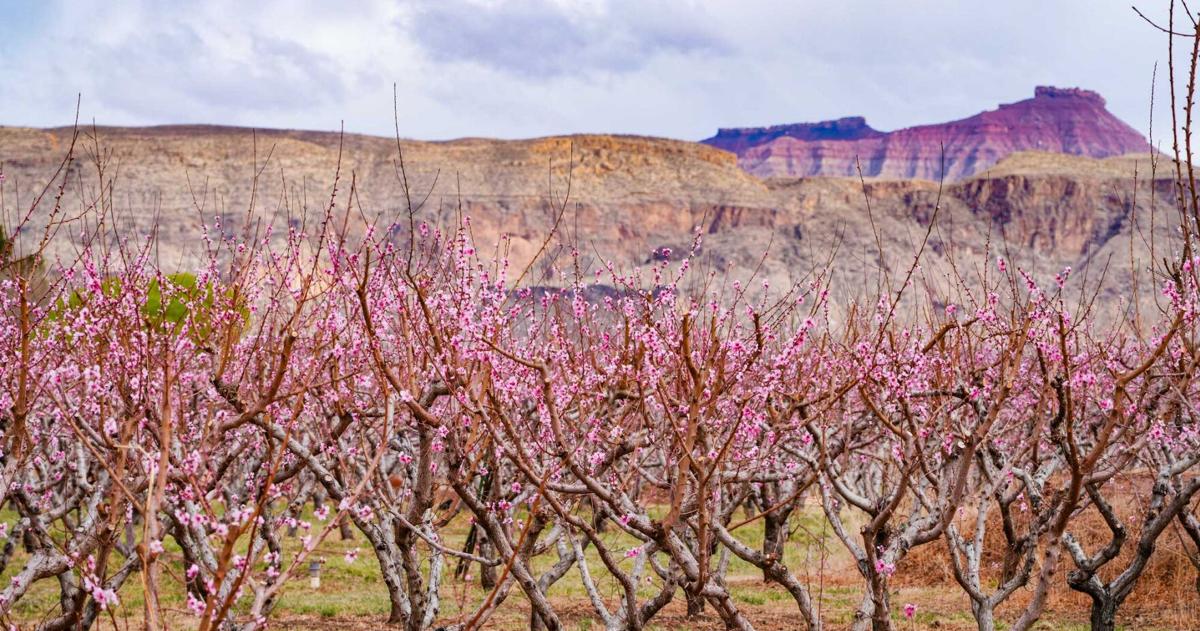
Late spring frosts across Utah have severely impacted fruit production this year, damaging blossoms and young developing fruit on trees throughout much of the state. Freezing temperatures arrived at a critical time for fruit trees, resulting in widespread crop loss for many growers and homeowners.
“Unfortunately, we experienced some late frosts,” said Ben Scow, Utah State University Extension horticulturist. “In the fruit tree world, that means we are at high risk for losing our fruit crop for the year, which happened in most of the state.”
He said temperatures dropped low enough to kill blossoms and newly setting fruit, leading to what he described as a statewide “fruit famine.”
“This is unfortunate because we grow some amazing fruit across the state,” he said. “This year we’re just going to have very, very little.”
Scow said the best advice for homeowners is to continue normal tree care practices, despite reduced fruit production. He gives these suggestions:
- Proper watering, fertilization, and pest monitoring remain important to support next year’s crop.
- Reduce nitrogen fertilizer applications to avoid excessive vegetative growth.
- Watering may be reduced slightly, but trees should not be allowed to become drought-stressed.
- Spraying for codling moth in apples and pears may not be necessary this year due to the lack of fruit.
- Stone fruits such as peaches, apricots, cherries, and plums should still be treated for peach twig borer.
- Continue caring for fruit trees throughout the season to maintain long-term tree health and improve production potential for next year.
For more information, visit gardening.usu.edu.