Julia Wilson was nine months pregnant when she found herself caught in the gunfire at Fort Hood, Texas, in 2009. She had just returned from lunch and was shutting off her truck when she heard gunshots and watched a soldier nearby collapse after being struck by a bullet.
A civilian human resources employee at the base, Wilson repeatedly sounded her truck alarm, hoping to distract the gunman from shooting her colleagues, and called 911. As she ducked across the seats of her truck, she counted at least a dozen bullets flying in her direction.
“‘I’m never going to see the face of my child. I’m never gonna hold him’ — it’s crazy how quickly things run through your brain,” she told ABC News.
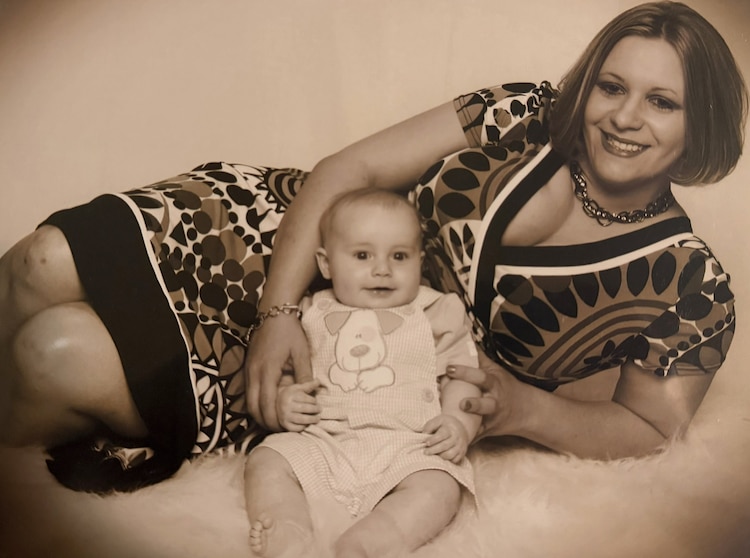
Julia Wilson holds her newborn son, whom she gave birth to just a week after the shooting.
Courtesy of Julia Wilson
She and her baby were unharmed.
Now, 17 years later, Wilson wants to witness the execution of the man who could have killed her. But the Pentagon has denied her request to attend the Dec. 3 execution of Nidal Hasan, the former Army psychiatrist who was convicted of killing 13 people and wounding 32 others. Nidal is set to die by firing squad at the same Army base where he carried out the attack.
Wilson is among multiple survivors of the massacre who say the Pentagon has denied their requests to witness Hasan’s execution, despite assurances that victims and their families would be permitted to attend. Defense Secretary Pete Hegseth at one time said it would be livestreamed, though that plan was overturned by President Donald Trump.
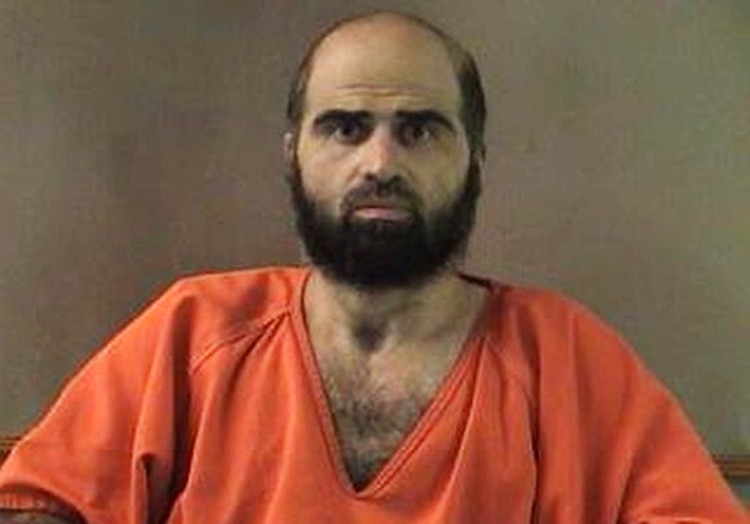
This undated photo provided by the Bell County Sheriff’s Department shows former Army psychiatrist Maj. Nidal Hasan.
Bell County Sheriff’s Department
A massacre at Fort Hood
On Nov. 5, 2009, Hasan, who was then an Army major, opened fire inside a medical processing building at Fort Hood in a rampage he described as a jihad in protest of U.S. wars in Iraq and Afghanistan. Dozens of other soldiers and civilian employees, including Wilson, Dr. Kathy Platoni and Dr. C. Alan Hopewell, were caught in the attack.
All three had hoped to attend the execution, saying they wanted to be there for the friends and colleagues they lost and that watching the Army carry out Nidal’s sentence might bring them some measure of relief after 17 years.
Though none were struck by gunfire, all three witnessed the attack firsthand and said they continue to live with its psychological toll. They say that they are appealing the Army’s decision to Department of Defense officials and raising the issue with lawmakers.
The Defense Department did not respond to ABC News’ questions about who is allowed to attend.
Wilson called the Army’s decision an “institutional betrayal,” arguing that its interpretation of its rules effectively dismisses the trauma experienced by those who survived the shooting but weren’t hit by gunfire.
The Army’s rules on who can witness an execution are relatively broad. They outline that prison staff, the condemned prisoner’s attorney and family, and victims of the crimes that led to the death sentence may attend. Hasan was convicted of numerous charges of murder, premeditated murder and attempted premeditated murder.
But the regulations also give the Army discretion to invite additional witnesses, including victims who might not meet the narrower definition of victims. Army rules also require the presence of at least two journalists, effectively as third-party witnesses, a common practice in civilian executions.
Army officials cited security concerns and limited space at the execution site in restricting attendance, correspondence reviewed by ABC News shows.
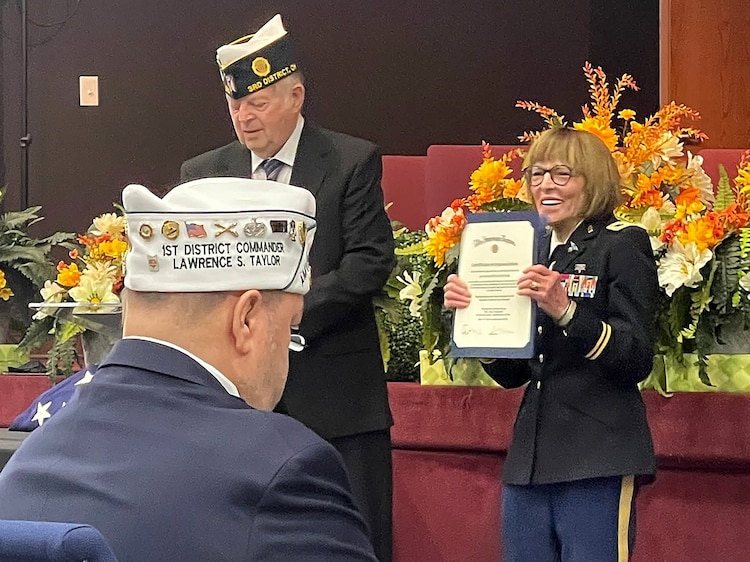
Retired Army Colonel Kathy Platoni delivers the keynote address at the American Legion on Veterans Day this month.
Courtesy of Kathy Platoni
‘I continue to hear the screaming’
“The fact that I don’t meet the category doesn’t change the reality of what I experienced with my unborn child,” Wilson said. “I continue to hear the screaming and smell the blood.”
Platoni, a retired Army colonel and former chief psychologist for the Army Reserve, was undergoing routine medical processing ahead of a deployment to Afghanistan in an adjacent building when Hasan opened fire. She said she had never met Hasan but would have been his supervisor in Afghanistan.
Military bases can be heavily guarded at their gates while remaining relatively open once someone is inside, particularly someone in uniform. Troops carrying out ordinary duties outside combat zones do not carry weapons. Security falls largely to military and civilian police, who patrol installations.
Platoni, who tended to the wounded in the aftermath of the attack, argued that the Army is applying an unnecessarily narrow interpretation of its own regulations, which authorize victims of offenses punishable by death, including attempted offenses, to witness an execution.
“I’ve never been this angry in my life that they’re doing this to us and telling us we weren’t victims because we didn’t take a bullet to the brain,” she said.
Hopewell, then an an Army major who oversaw the outpatient psychiatry clinic at Fort Hood and was Hasan’s supervisor, was inside the facility when Hasan tried to force his way in during the shooting.
Armed with an FN-5.7 pistol equipped with a laser sight and a 20-round magazine and carrying a .357 Magnum revolver as a backup, Hasan moved through the halls, shouting for doors to be opened.
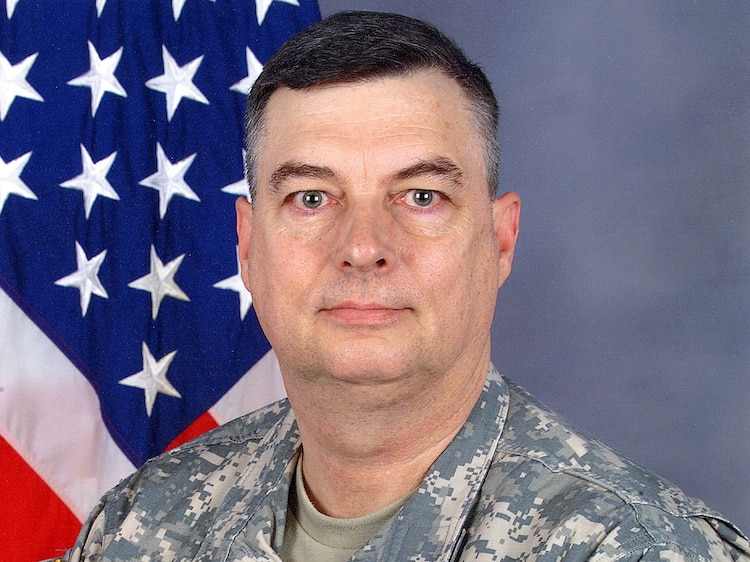
Retired major and Army psychiatrist C. Alan Hopewell was Nidal Hasan’s supervisor at the time of the shooting.
Courtesy of C. Alan Hopewell
‘I was about two feet away’
Hopewell and his colleagues had barricaded themselves inside a room just before Hasan reached them. Unable to force his way in, he screamed in frustration, Hopewell recalled.
“I was about two feet away from him when he was trying to smash into my clinic to kill me,” Hopewell said. “You can’t go through something like this and have it not affect you.”
Hopewell said he was initially ambivalent about witnessing Hasan’s final moments. But Sgt. Kimberly Munley, who was shot three times, asked Hopewell to accompany her to the execution. Hopewell had received communications from Army officials inviting him to attend but they subsequently rescinded that invitation.
“Since I was one of the senior officers, I feel it’s my duty to represent the families and the victims and my clinic staff,” Hopewell said.
For Platoni, attending the execution is not just about watching Hasan die but also supporting the people who survived his attack and the families who lost loved ones. Five soldiers in her unit were killed in the shooting and she still wears a hero bracelet that bears their names to commemorate them.
“It would mean that I could be there to support my fellow soldiers that were wounded and did survive. It would mean that I might be able to, as I did during the court martial, be there to support the families, and I want to witness this so that I know he’s gone from the Earth,” she said. “So I want to see justice served in some way. But all we’ve encountered is injustices, one after the other.”
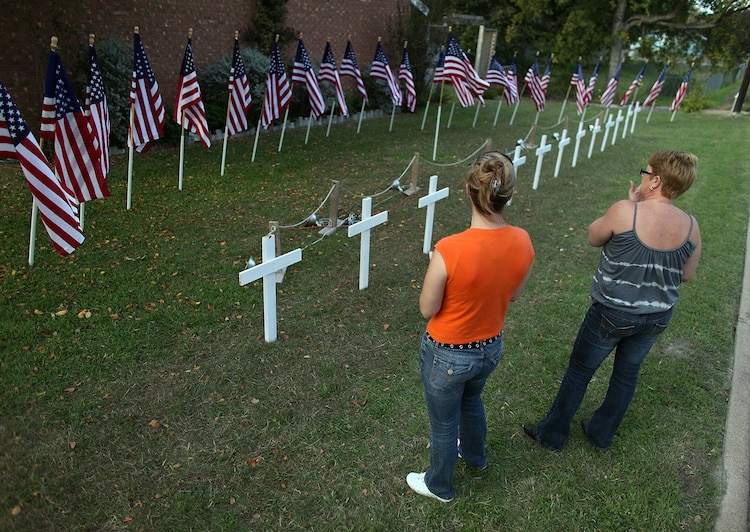
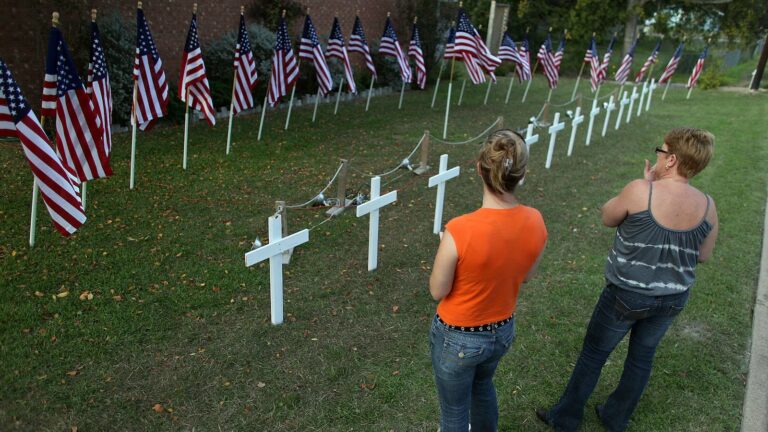
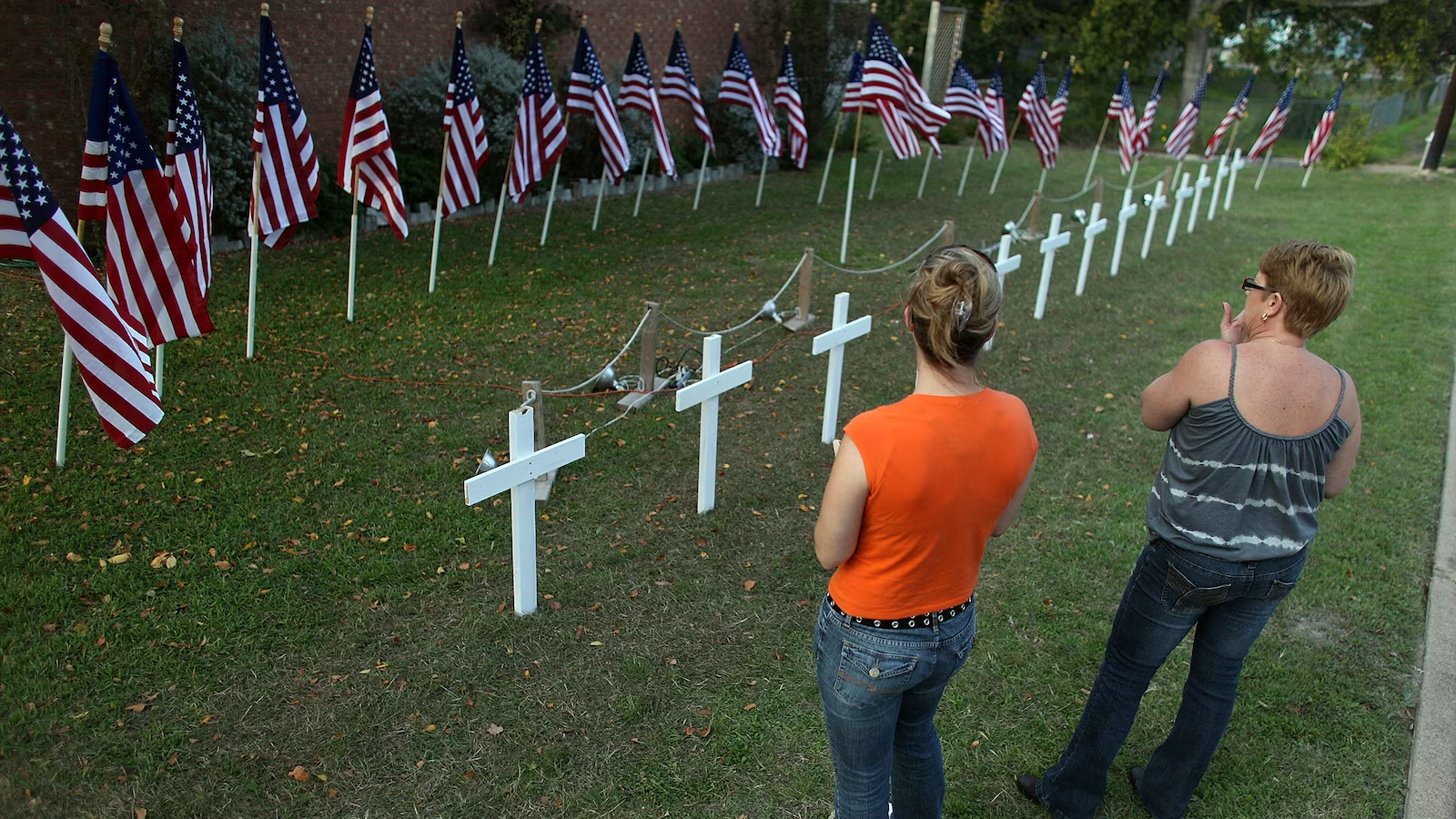
Ashley Norris and Star Smith look at a memorial site setup in front of the Central Christian Church in memory of those killed and wounded at Fort Hood by U.S. Army Major Nidal Malik Hasan, November 7, 2009 in Killeen, Texas.
Joe Raedle/Getty Images
‘Constantly scanning for threats’
All three survivors say they have struggled with post-traumatic stress disorder since the shooting.
Wilson described years of living with a heightened sense of danger, even in otherwise ordinary situations. She said that she has grappled with depression and struggled to hold down a job due to difficulty with concentrating.
“You’re constantly looking over your shoulder. You’re constantly scanning for threats,” Wilson said.
The decision to exclude them from Hasan’s execution has compounded a longstanding frustration among the three survivors, who say the Pentagon has repeatedly failed to support those whose lives were upended by the massacre.
For Wilson, witnessing the execution would offer a “smithereen of closure and justice,” after 17 years. She said she wants Hasan to see her one final time and recognize that she survived his attack.
“I need him to read from my eyes that you tried to victimize me, but I survived you, and you have destroyed my life and many other people’s lives,” she said. “And maybe, just maybe, with you ending here — maybe my life might be able to start somewhat again.”