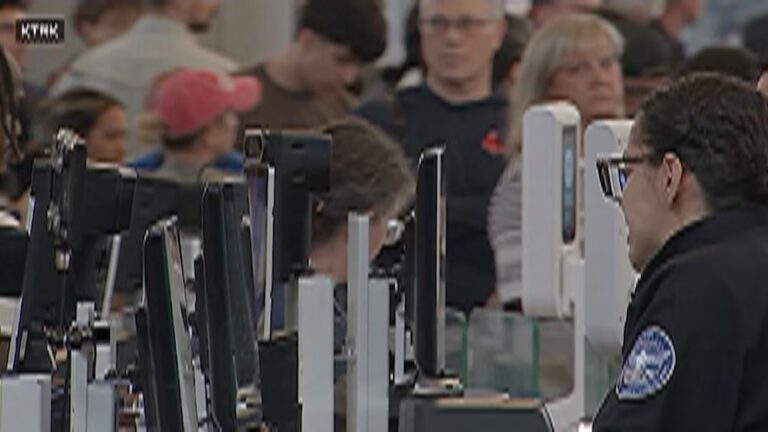

Census experts and workplace analysts say that the COVID-19 pandemic forced a 450 percent increase in work from home arrangements between 2020 and 2021 (Image courtesy for FlexJobs).
SALT LAKE CITY – More than a year after the de facto end of the pandemic, its impact is still being felt in major cities throughout America.
The shift to remote work by large segments of the labor force heavily impacted commuting patterns, consumer spending and urban real estate markets, according to the 2022 American Community Survey by the U.S. Census Bureau.
“The daytime population of traditional U.S. job centers plummeted in 2020 after the COVID-19 pandemic hit,” says Earlene K.P. Dowell, a supervisory program analyst in the Economic Management Division of the Census, “as lockdowns and social distancing pushed more people to work from home.”
Those job centers may never recover, she adds.
Research on paid job postings from LinkedIn revealed that remote work jumped by more than 450 percent between 2020 and 2021.
Chris Worley, of Fourth Economy Consulting, says that workers in professional, information, scientific and technical services fields were most able to shift to work from home schedules, while retail, trade, manufacturing, accommodations and food service were least able to make that change.
The three-county area around Lansing, Michigan was typical of the urban job centers undergoing the remote work shift. Worley’s research found that region’s daytime population fell when 5,800 previously daily commuters regularly stayed home to work.
That shift also played out in ridership on public transportation, which fell nationwide by an average of 50 percent.
That trend was definitely felt here in Utah. Along the Wasatch Front, utilization of Utah Transit Authority services dropped by 47 percent between 2020 and 2021, including bus riders (down 40 percent), light rail passengers (down 51 percent) and commuter rail passengers (down 61 percent).
While less commuting resulted in the cleanest air that some cities had experienced in decades, the remote shift also affected where people spent their money.
“Fewer workers meant fewer shoppers and diners for small businesses in urban job hubs,” Dowell noted.
For example, workers were no longer stopping at local coffee shops for daily lattes or gathering at their favorite lunch spots.
While not exactly an urban job hub, that effect may have even been felt here in Cache Valley. Consider the number of small eateries and fast-food franchises that have vanished since 2020.
Even sales of typical office apparel dropped, Worley added, when the clothing was no longer needed while working from home.
Worley cited retail sales of dress shoes, which dropped in 2020.
“You don’t really wear them around the house,” he suggested. “(Dress shoes) are really meant to be seen by other people.”
But a drop in retail shoe sales meant a drop in the value of shipments and the revenue from footwear manufacturing.
Revenue from U.S. sales of footwear dropped to $1.5 billion in 2020 from $1.8 billion in 2019. Those sales bounced back slightly in 2021, but not up to pre-pandemic levels.
The shift to remote work also pushed down demand for office space in urban job hubs, according to Dowell.
In 2019, the U.S. office vacancy rate was 8.6 percent. In 2020, that rate was 12.3, but has since recovered slightly as some employers begin to require remote workers to appear in-person at least once a week.
As such hybrid adjustments become more common, Dowell says that the traditional 9-to-5 work day may be a thing of the past.
Surveys show that that remote workers expect such workplace adaptations to stick, because flexible schedules and reduced commuting out-weigh the challenges of isolation and common home place distractions